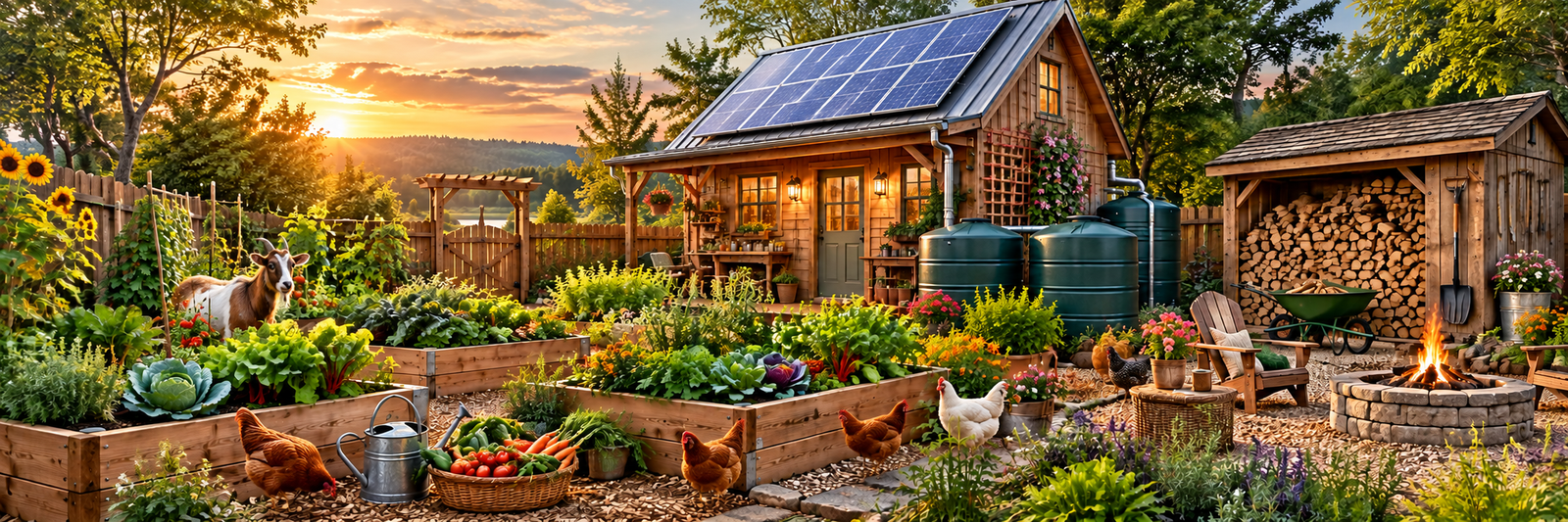

Camping isn’t always about smooth sailing and clear skies; it’s also about facing challenges head-on and pushing the boundaries of adventure. In this article, we’ll explore various camping challenges and adventures, each offering a unique test of your skills, resilience, and love for the outdoors.
Surviving Extreme Weather:
Camping in extreme weather conditions, such as scorching heat, bitter cold, heavy rain, or snow, presents a unique set of challenges. It tests your ability to stay comfortable, safe, and prepared in the face of nature’s extremes. Proper gear, clothing, and knowledge of survival techniques are essential to conquer these conditions.
Wilderness First Aid:
Wilderness first aid skills are crucial for any camper. Knowing how to respond to injuries, illnesses, or emergencies in remote locations can be a matter of life and death. Taking a wilderness first aid course and carrying a well-stocked first aid kit are key to ensuring safety in the backcountry.
Long-Distance Hiking and Camping:
Long-distance hiking and camping involve embarking on multi-day treks covering substantial distances. Examples include the Appalachian Trail or the Pacific Crest Trail. These journeys demand physical endurance, mental fortitude, and meticulous planning to navigate through varying terrains and climates.

Multi-Day Backpacking Trips:
Multi-day backpacking trips challenge campers to carry everything they need on their backs and venture into remote areas. These adventures require careful packing, navigation skills, and the ability to adapt to changing conditions. The reward is the opportunity to explore untouched wilderness.
Remote and Off-Grid Camping:
Remote and off-grid camping takes you far from civilization, where modern amenities are scarce. You’ll need to rely on self-sufficiency, basic survival skills, and minimal resources to thrive in these remote environments. It’s a test of independence and resourcefulness.
Themed Camping Trips (e.g., Historical Reenactments):
Themed camping trips add a layer of historical or cultural immersion to your outdoor experience. Whether you’re reenacting a Civil War battle or living as a pioneer, themed camping requires meticulous research, period-appropriate gear, and a passion for history.
Camping in Different Climates:
Camping in various climates, from deserts to rainforests, teaches adaptability. It challenges campers to understand and prepare for the unique environmental conditions and ecosystems of each region, making it a rich learning experience.
Wildlife Hazards: Staying Safe in the Great Outdoors
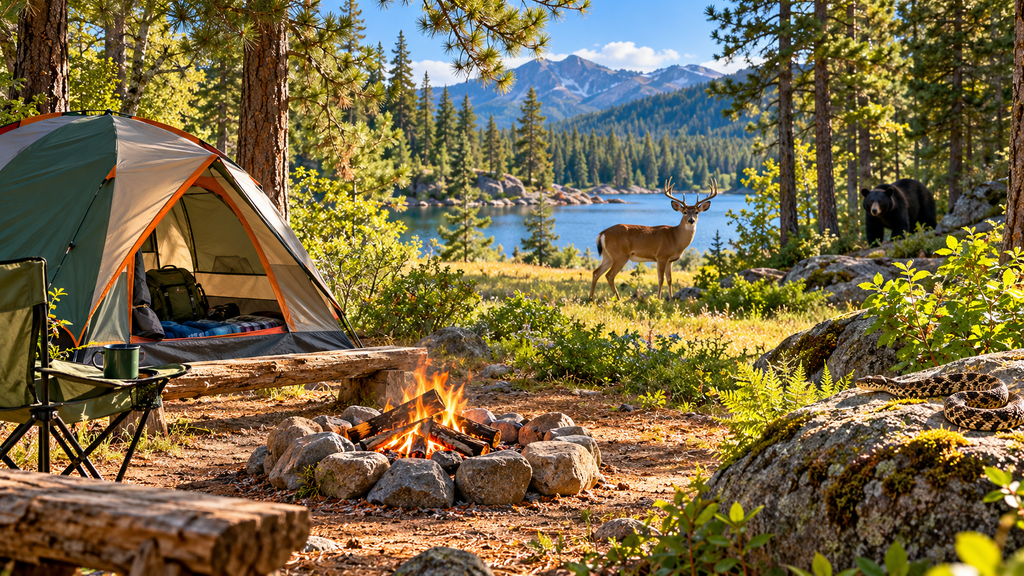
One of the most exciting aspects of camping is the opportunity to experience wildlife in its natural habitat. From deer grazing in a meadow to birds calling through the forest, encounters with wild animals can create unforgettable memories. However, sharing the wilderness with animals also requires awareness, preparation, and respect. Bears, snakes, alligators, coyotes, and even small insects can present hazards when campers venture into their territory.
Bears and Other Large Animals
In bear country, proper food storage is one of the most important camping precautions. Bears have an extraordinary sense of smell and may be attracted to food, garbage, cooking equipment, and scented toiletries. Store these items in approved bear-resistant containers or designated food lockers, following the rules of the park or wilderness area.
Never approach or feed a bear, and avoid surprising wildlife along trails. Make your presence known while hiking, especially in areas with limited visibility. If you encounter a bear, remain calm, avoid running, and follow species-specific safety guidance. Bear spray can be an important defensive tool where recommended, but campers should learn how to carry and use it properly before entering bear country.
Snakes and Reptiles
Snakes are common in forests, deserts, grasslands, and wetlands. Most prefer to avoid people, but they may bite when stepped on, cornered, or handled. Watch where you place your hands and feet, particularly around rocks, fallen logs, and tall vegetation. Wear sturdy footwear and use a flashlight when walking after dark.
If bitten by a venomous snake, seek emergency medical assistance immediately. Keep the affected person as still and calm as possible, remove tight jewelry before swelling begins, and avoid cutting the wound, applying ice, using a tourniquet, or attempting to suck out venom.
In southeastern wetlands, alligators present another concern. Keep a safe distance from shorelines, never feed alligators, and avoid swimming in waters where their presence is possible unless swimming is specifically permitted and considered safe.
Insects, Ticks, and Other Small Hazards
Some of the smallest creatures can cause the greatest discomfort or health risks. Mosquitoes, ticks, biting flies, bees, and wasps are common around campsites.
Mosquitoes can transmit illnesses such as West Nile virus, while certain ticks can spread Lyme disease and other infections.
Protect yourself by wearing long sleeves and pants when appropriate, applying an EPA-registered insect repellent according to its label, and checking your body for ticks after hiking. Treating clothing and camping gear with products specifically labeled for that purpose can provide additional protection.
Keep tents zipped closed, use insect screening, and avoid leaving food or sugary drinks exposed.
Raccoons, Rodents, and Other Campground Visitors
Not every wildlife hazard involves a large predator. Raccoons, squirrels, mice, and other small animals may enter campsites searching for food.
These animals can tear into food packaging, damage equipment, and potentially spread disease.
Never leave food inside an unattended tent, and avoid feeding wildlife, even when the animals appear friendly.
Store food and garbage securely, clean cooking areas after meals, and dispose of waste in designated containers.
Protecting Pets While Camping
Dogs and other pets may attract wildlife, disturb nesting animals, or become injured while exploring unfamiliar terrain.
Keep pets under control and follow local leash regulations. Never allow a dog to chase wild animals.
Bring sufficient food and water for your pets, check them for ticks, and keep their vaccinations and parasite prevention current.
Remember that wildlife may react defensively when approached by a pet.
Practical Wildlife Safety Tips
A little preparation can prevent many unpleasant encounters.
- Research the wildlife commonly found in your camping destination before leaving home.
- Keep a respectful distance from all wild animals, including young animals.
- Store food, trash, and scented items according to campground and local wildlife regulations.
- Never feed wild animals or attempt to photograph them at close range.
- Carry a flashlight when moving around camp after dark.
- Wear appropriate footwear and watch where you step or reach.
- Learn the correct response to encounters with dangerous animals in the region.
- Keep a first-aid kit available and know how to contact emergency services.
- Supervise children and pets, particularly near water, dense vegetation, and wildlife activity.
- Follow park ranger instructions and posted wildlife warnings.
Respecting Wildlife Is Part of Survival
Wild animals are not deliberately seeking conflict with campers. Most encounters become dangerous when animals feel threatened, are surprised, or become accustomed to obtaining food from people.
Learning to recognize animal behavior, maintaining a clean campsite, and respecting wildlife habitats greatly reduces the likelihood of problems.
The goal of camping is not to conquer the wilderness, but to enjoy it safely while allowing the animals that live there to remain wild.
With knowledge, caution, and preparation, campers can appreciate the remarkable wildlife around them without placing themselves—or the animals—at unnecessary risk.
Each camping challenge and adventure provides an opportunity to expand your skills, build resilience, and deepen your connection to the natural world. While these experiences may push you out of your comfort zone, they also offer unparalleled rewards, including a greater appreciation for the beauty and challenges of the great outdoors.