Before modern pharmacies, pioneer families relied on kitchen gardens, wild plants, and knowledge passed down through generations. Discover the herbs they valued and how you can grow a piece of that history in your own backyard.
Imagine living in a small log cabin in the American wilderness during the 1800s. The nearest doctor might be a day’s journey away, and a trip to the nearest town could require traveling miles over rough roads.
When someone developed a cough, complained of a stomachache, or suffered a minor injury, families often turned to something growing just outside their door.
Their medicinal herb garden was more than a collection of fragrant plants. It was part of the household’s traditional approach to health and self-sufficiency.
Many pioneer families grew familiar European herbs, gathered native North American plants, and relied on knowledge learned from relatives, neighbors, and Indigenous communities.
Some of these plants contained compounds that would eventually become important in modern medicine. Others were used because of tradition, even when their effectiveness was uncertain.
Let’s explore 12 plants associated with early American household medicine, what they were believed to do, and how you can grow them today.
1. Peppermint — The Pioneer Stomach Remedy
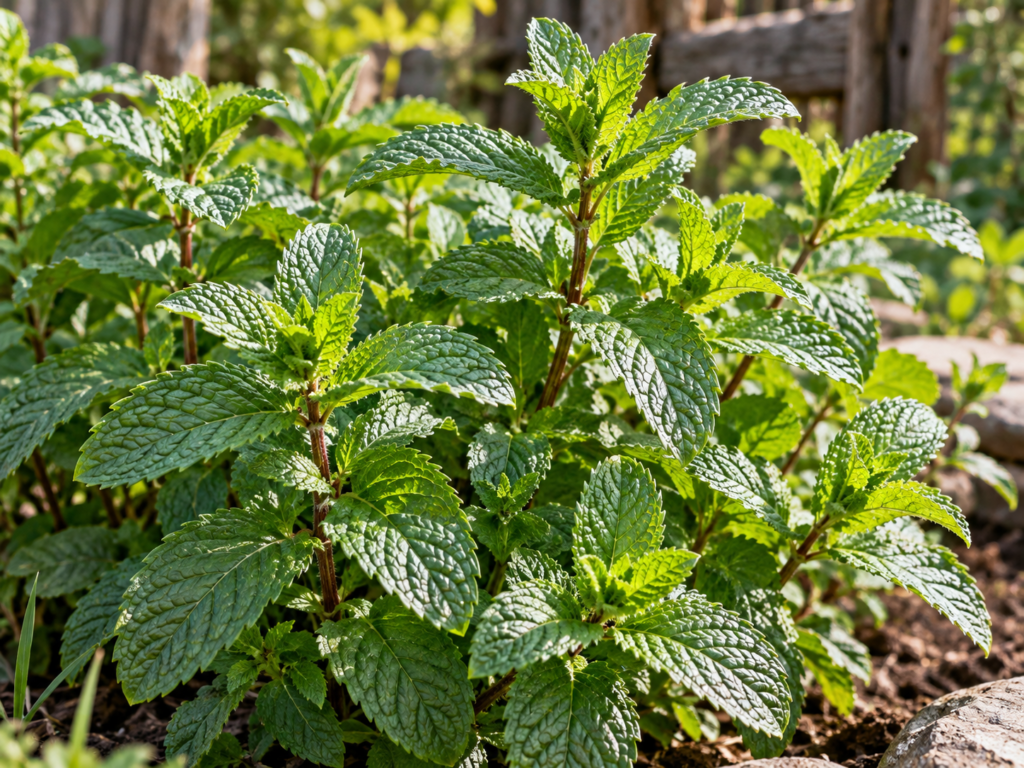
Botanical name: Mentha × piperita
Peppermint was a familiar household herb in early America. Its refreshing fragrance and distinctive flavor made it useful in cooking as well as traditional medicine.
Families used peppermint preparations for stomachaches, indigestion, nausea, and other digestive complaints.
In fact, the Lewis and Clark expedition carried essence of peppermint in its medical supplies in 1803.
How pioneers used it
Peppermint leaves could be dried and stored for tea. More concentrated peppermint preparations were also available through apothecaries.
Growing peppermint today
Peppermint is a vigorous perennial that grows well in moist, reasonably fertile soil with sun or partial shade.
Gardening tip: Grow peppermint in a container. Its underground runners can quickly spread throughout a garden.
What modern science says
Peppermint oil has some evidence of benefit for irritable bowel syndrome, but peppermint tea has been studied less extensively. Concentrated oil is not interchangeable with ordinary tea and can cause side effects.
2. Horehound — The Old-Fashioned Cough Herb
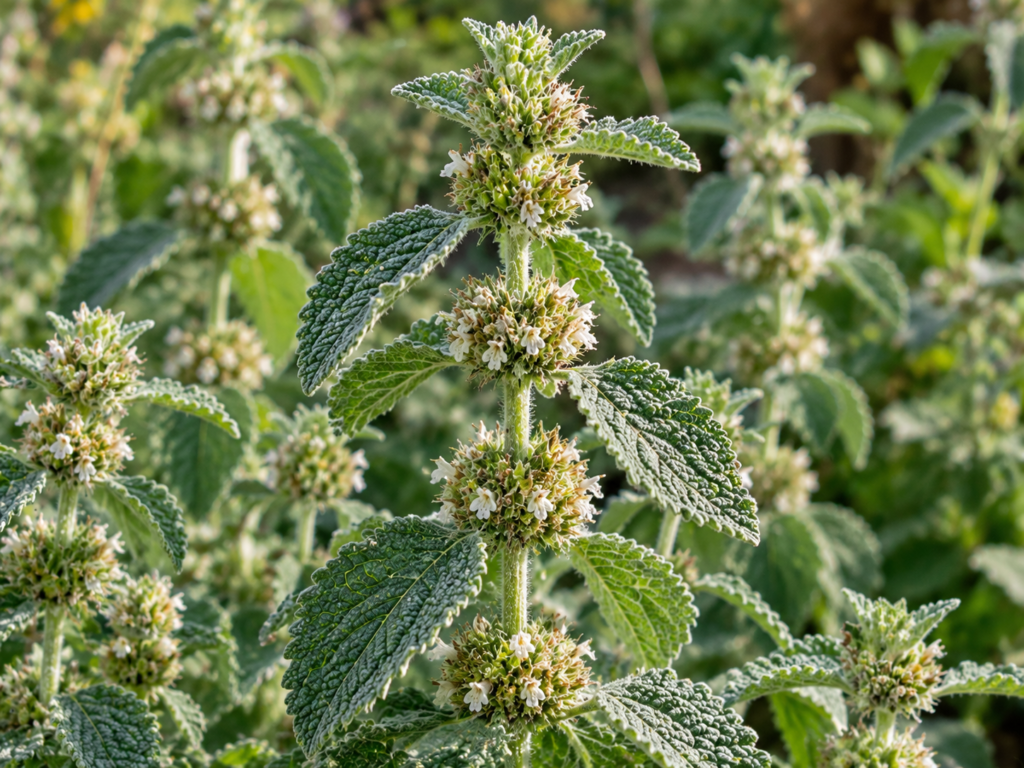
Botanical name: Marrubium vulgare
Horehound was a familiar ingredient in old-fashioned cough candies and household remedies.
Its gray-green, slightly fuzzy leaves and bitter taste made it recognizable in traditional herb gardens.
How pioneers used it
Horehound was prepared in teas, syrups, and candies for coughs and sore throats.
Families sometimes mixed herbal preparations with sugar or honey to make bitter remedies easier to take.
Growing horehound today
Horehound prefers full sun and well-drained soil. Once established, it tolerates relatively dry conditions.
It is a perennial in many climates and attracts pollinators when flowering.
What modern science says
Horehound has a long history of traditional use, but convincing clinical evidence that it treats respiratory illness is limited.
3. Chamomile — The Calming Herb
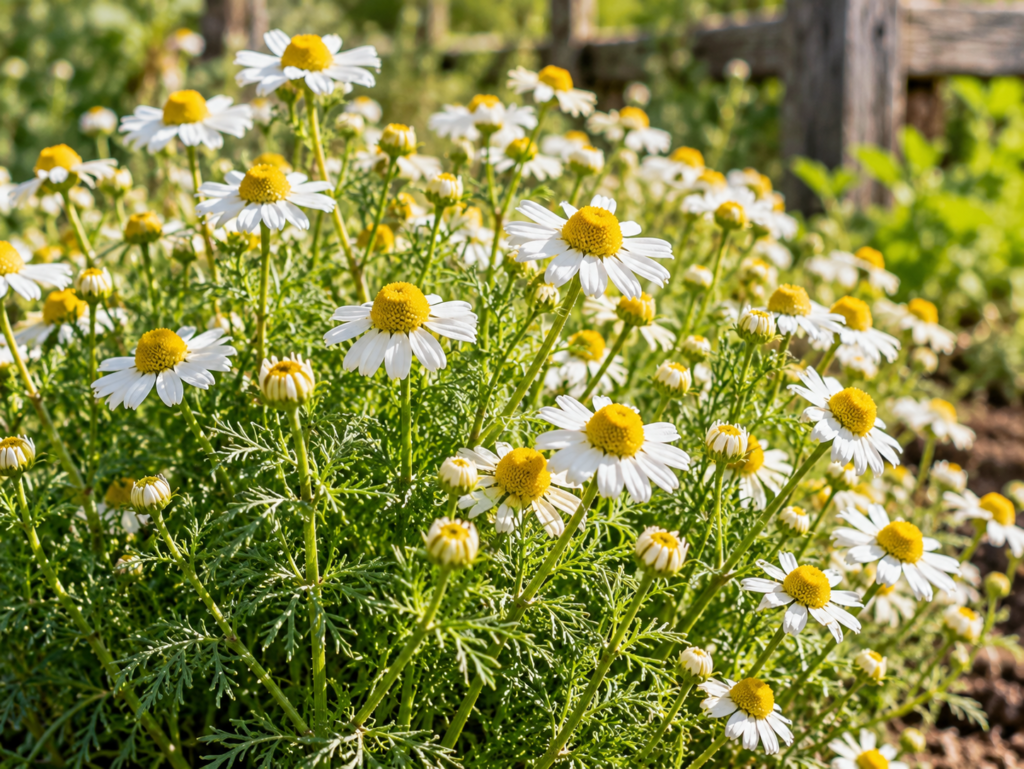
Botanical name: Matricaria chamomilla
With its small white flowers and yellow centers, chamomile resembles a miniature daisy.
It was valued for its gentle fragrance and association with relaxation and digestive comfort.
How pioneers used it
Chamomile flowers were commonly dried for teas traditionally taken for nervousness, sleeplessness, and stomach complaints.
Growing chamomile today
German chamomile grows easily from seed in sunny locations with well-drained soil.
Harvest flowers after they open and dry them in a clean, airy place.
What modern science says
Research into chamomile for sleep and anxiety has produced limited or preliminary findings. Chamomile may cause allergic reactions, particularly in people sensitive to ragweed or related plants, and may interact with medications.
4. Sage — More Than a Kitchen Seasoning
Botanical name: Salvia officinalis
Sage served two purposes in the pioneer household: seasoning food and providing a traditional herbal remedy.
Its aromatic leaves were useful in the kitchen, particularly when preparing meats and savory dishes.
How pioneers used it
Sage appeared in traditional gargles for sore throats and in teas associated with coughs and colds.
Growing sage today
Sage prefers full sun, good drainage, and moderate watering.
It is particularly suitable for raised beds and herb gardens where the soil does not remain soggy.
What modern science says
Sage contains biologically active compounds, but evidence for treating most illnesses remains insufficient. Concentrated sage oils and high doses of some sage preparations can be toxic.
5. Catnip — Not Just for Cats
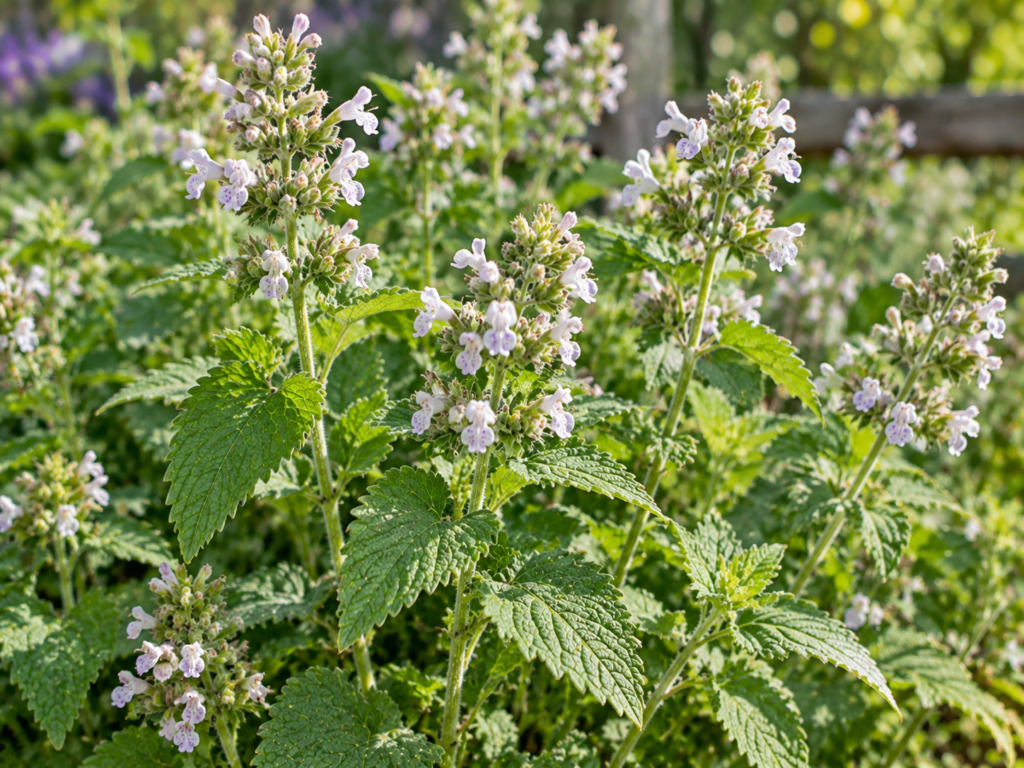
Botanical name: Nepeta cataria
Long before catnip became associated mainly with household pets, it was grown as a medicinal herb.
Its soft, aromatic leaves were used in traditional preparations for digestive complaints and relaxation.
How pioneers used it
Catnip tea was traditionally associated with stomach discomfort, restlessness, and feverish illnesses.
Growing catnip today
Catnip is a hardy perennial in many areas. It prefers sun and well-drained soil and can spread by seed.
Its flowers attract bees and other beneficial insects.
What modern science says
Reliable human clinical evidence supporting catnip as a treatment for illness is very limited. Historical use does not establish safety, especially for children or during pregnancy.
6. Yarrow — The Traditional Wound Herb
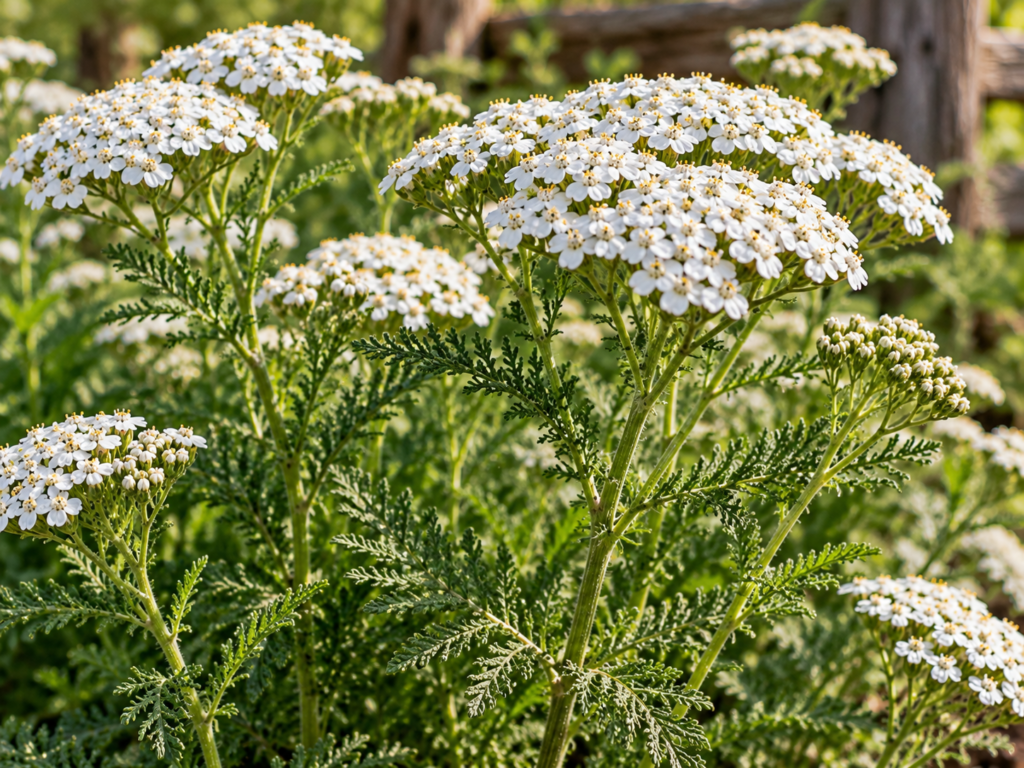
Botanical name: Achillea millefolium
Yarrow is recognizable by its finely divided, feathery leaves and clusters of tiny flowers.
It grows in meadows, roadsides, and open fields across much of North America.
How pioneers used it
Yarrow was traditionally associated with minor wounds, bleeding, and fever complaints.
Its reputation as a wound herb goes back centuries, although methods of use varied widely.
Growing yarrow today
Yarrow grows well in full sun and tolerates relatively poor soil once established.
It is drought-tolerant and can be useful in pollinator gardens.
What modern science says
Laboratory research has examined yarrow’s compounds, but evidence that home preparations safely treat wounds or fever is inadequate. Putting unsterilized plant material on an open wound can introduce contamination.
7. Lemon Balm — The Fragrant Comfort Plant
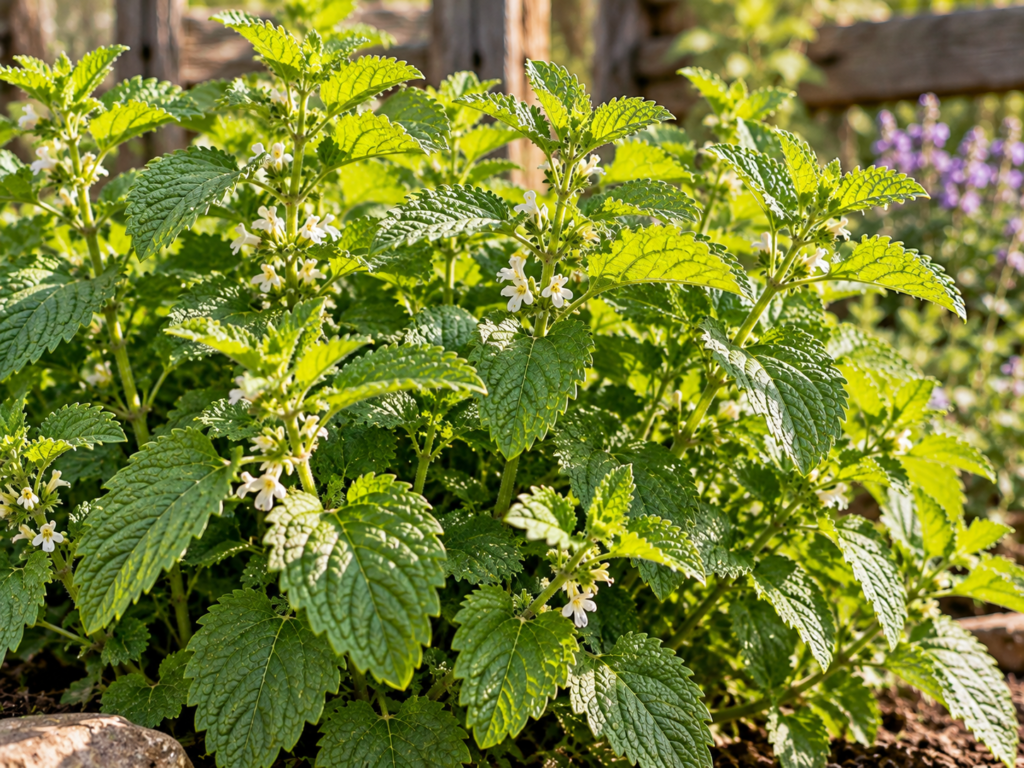
Botanical name: Melissa officinalis
Lemon balm has soft green leaves and a fresh lemon fragrance.
A member of the mint family, it was valued in traditional gardens for its scent and household uses.
How pioneers used it
Lemon balm appeared in traditional teas for nervousness, digestive discomfort, and fever complaints.
Growing lemon balm today
This perennial grows in sun or partial shade and prefers reasonably moist, well-drained soil.
It can spread readily, so containers or regular trimming are useful.
What modern science says
Some preliminary research suggests possible effects on mood and relaxation, but it is not an established treatment for anxiety, insomnia, or infection.
8. Echinacea — A Native North American Medicinal Plant
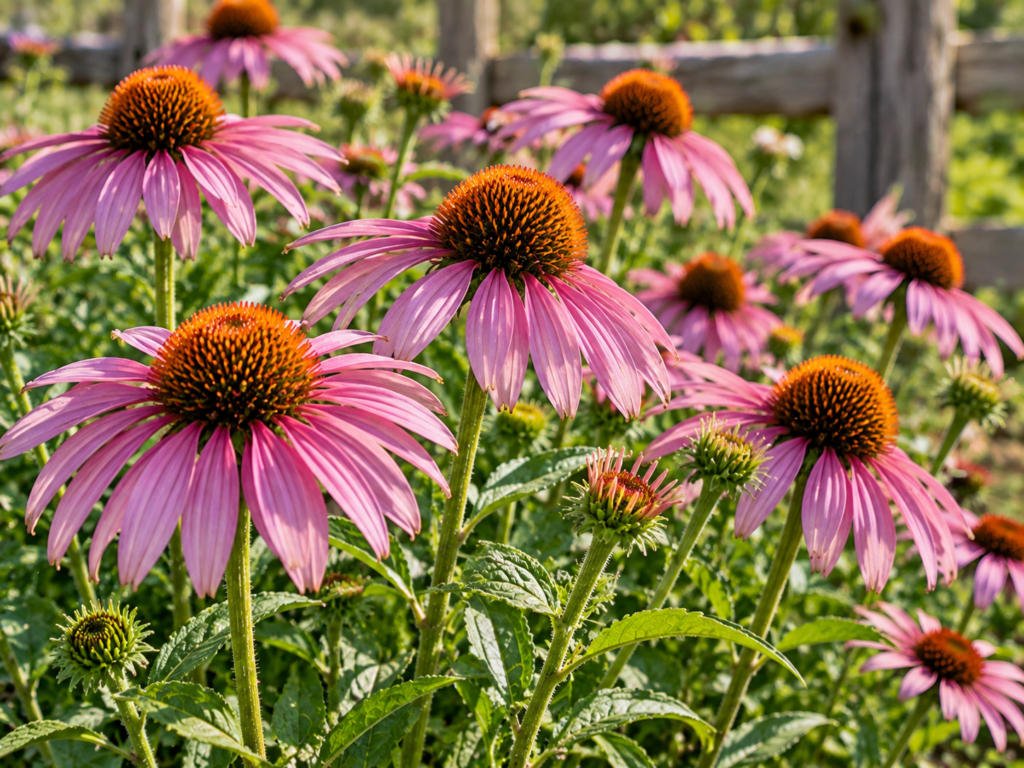
Botanical names: Echinacea purpurea, Echinacea angustifolia, and related species
Echinacea, commonly called purple coneflower, is native to North America.
Various Indigenous nations developed distinct medicinal uses for different echinacea species long before European-American settlers adopted the plants into commercial and household herbal medicine.
How it was used historically
Different traditions used echinacea preparations for wounds, toothaches, and other complaints. During the later 1800s, echinacea became increasingly prominent in American botanical medicine.
Growing echinacea today
Echinacea thrives in sunny locations with well-drained soil.
Its purple or pink flowers attract butterflies, bees, and other pollinators.
What modern science says
Research suggests some echinacea preparations may slightly reduce the chance of catching a cold, but evidence that they shorten an existing cold remains uncertain.
Allergic reactions and medication interactions are possible.
9. Calendula — The Pot Marigold
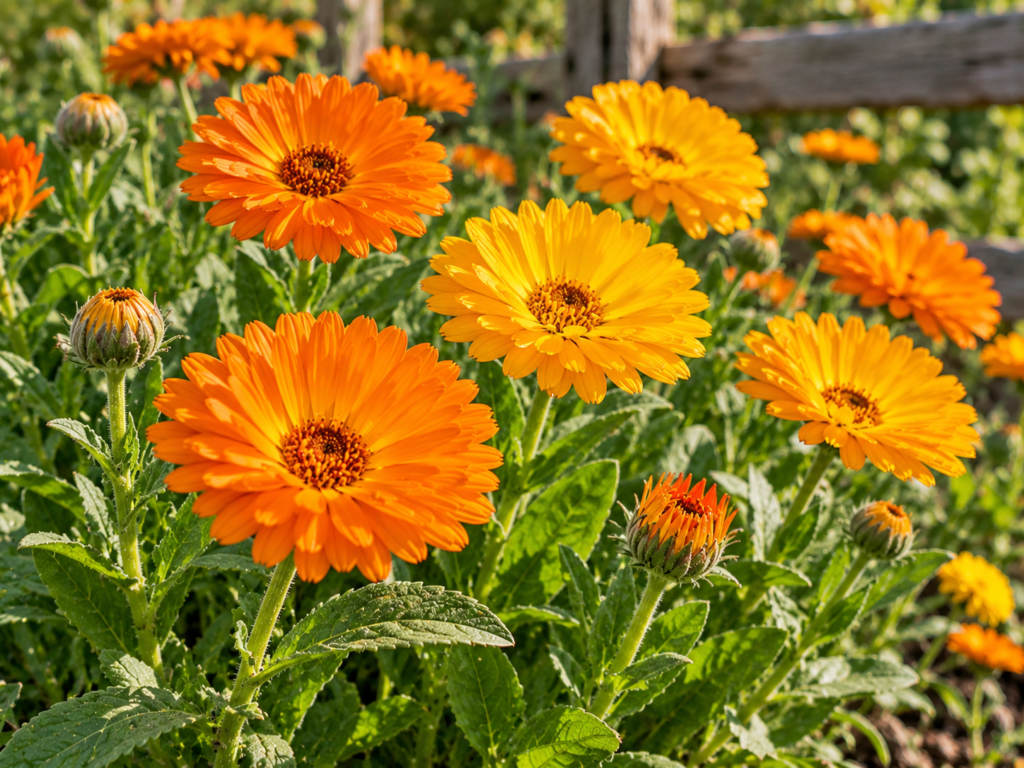
Botanical name: Calendula officinalis
Calendula is a cheerful garden flower with bright yellow or orange blossoms.
Unlike common ornamental marigolds in the genus Tagetes, calendula is often called pot marigold.
How pioneers used it
Calendula flowers were traditionally used in skin preparations and were also grown for culinary and decorative purposes.
Growing calendula today
Calendula grows easily from seed and prefers sunshine and mild weather.
In warmer regions, it often performs best during cooler months.
What modern science says
Some calendula preparations have been studied for skin conditions, but evidence varies by formulation and use. Homemade products should not replace proper wound care.
10. Willow — The Tree Associated With Pain Relief
Botanical name: Salix species
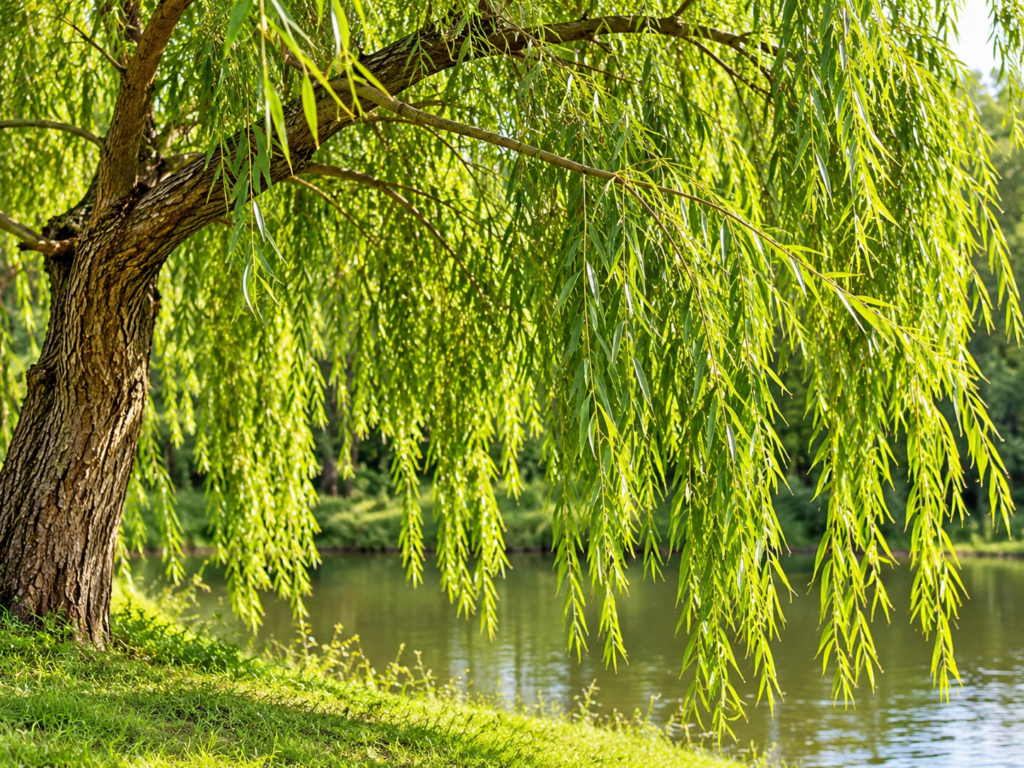
Willow is different from the small herbs found in a kitchen garden, but its bark has a long history in traditional medicine.
Various willow species contain salicylates, including salicin, compounds related to the chemistry behind modern aspirin.
How it was used historically
Willow bark preparations were traditionally used for pain and fever.
Growing willow today
Willows generally prefer moist soil and are often found near streams, ponds, and wetlands.
Because many species become large trees with extensive roots, they are not suitable for every backyard.
What modern science says
Willow bark is not the same as aspirin. Its chemical composition and dosage vary, and it can cause bleeding-related complications, allergic reactions, and medication interactions. It should not be used as a homemade substitute for pain medication.
11. Elderberry — The Wild Berry Remedy
Botanical name: Sambucus canadensis and related species
American elderberry is a native shrub that produces clusters of small white flowers followed by dark berries.
It has a long history of food and traditional medicinal uses.
How pioneers used it
Elderberry preparations were traditionally associated with colds and seasonal illnesses. Its berries were also used in cooked foods, preserves, and syrups.
Growing elderberry today
Elderberry prefers sunshine to partial shade and moist, fertile soil.
It can become a large, spreading shrub and may benefit from planting compatible varieties for pollination.
What modern science says
Evidence that elderberry treats respiratory infections is insufficient. Raw or improperly prepared elderberries and other plant parts can cause poisoning. Correct identification and safe food preparation are essential.
12. Boneset — The Old-Time Fever Herb
Botanical name: Eupatorium perfoliatum
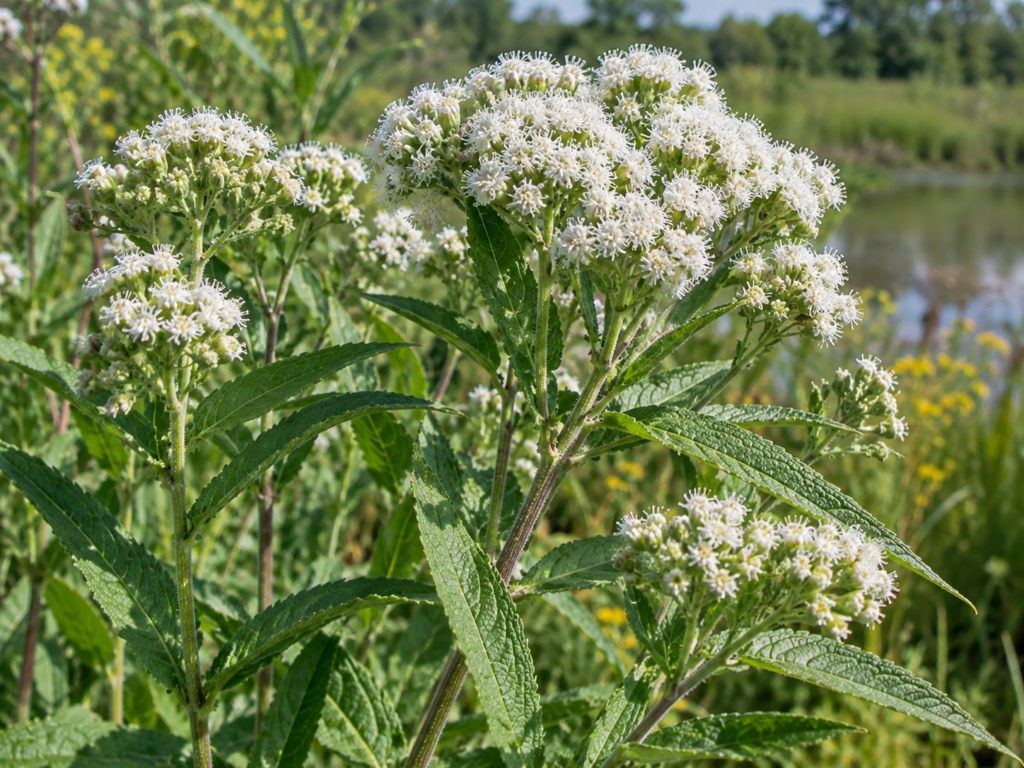
Boneset is a native North American perennial found in moist meadows and wet areas.
Its paired leaves appear to join around the stem, making it relatively distinctive.
How pioneers used it
Boneset became associated with traditional treatments for fever, chills, and illnesses historically described as influenza or breakbone fever.
It also figured in the botanical medicine movement of the 1800s.
Growing boneset today
Boneset prefers moist soil and sun to partial shade.
It produces clusters of white flowers that attract pollinators.
What modern science says
There is no reliable clinical evidence that boneset treats influenza or other fevers. Some boneset products may contain potentially harmful pyrrolizidine alkaloids, so it is best grown as a historical or pollinator plant rather than used in homemade medicine.
What Did a Pioneer Medicinal Herb Garden Look Like?
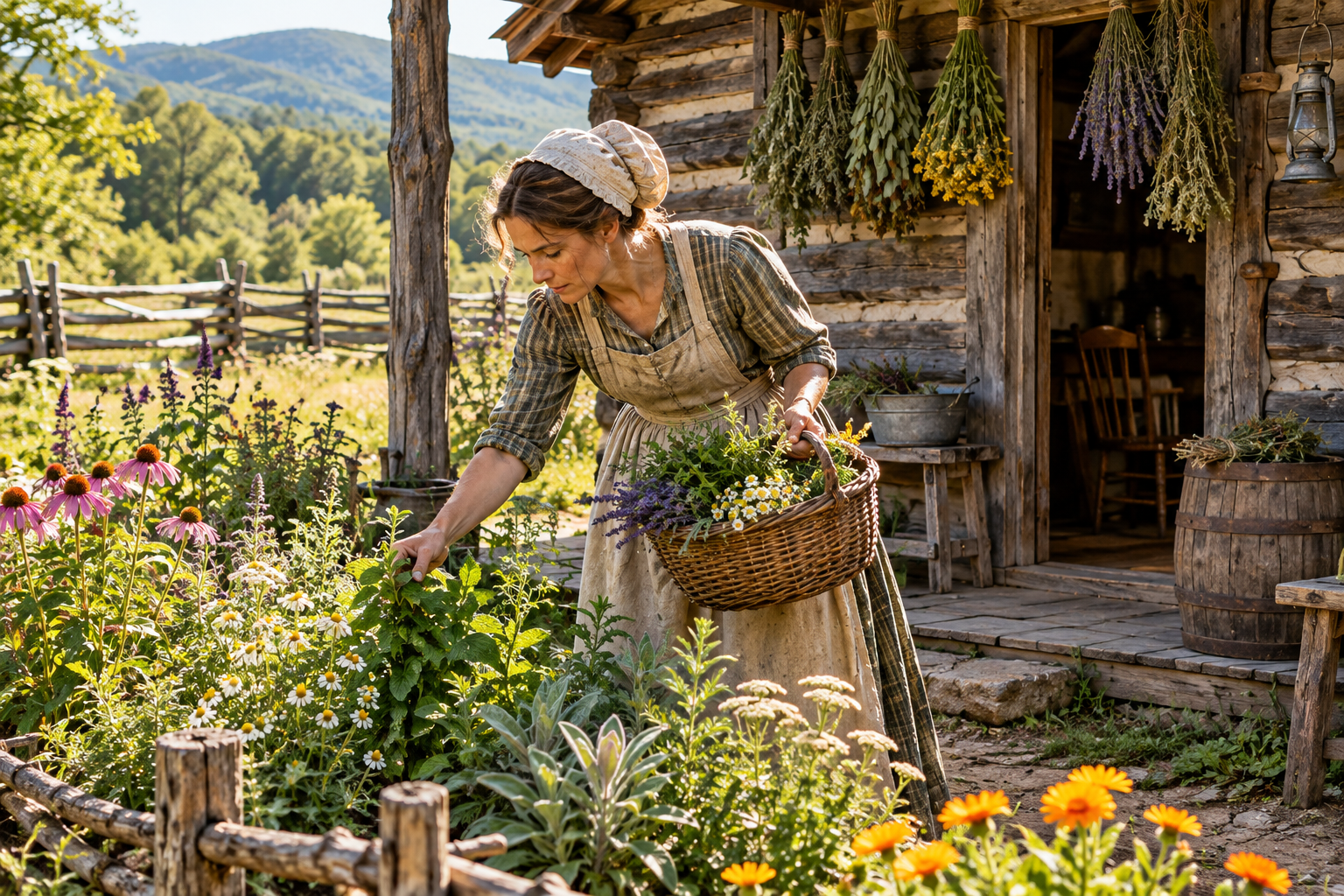
A pioneer family’s garden was usually practical rather than ornamental.
Depending on the family’s resources and location, it might contain vegetables, culinary herbs, flowers, and plants associated with household remedies.
A garden near the kitchen door made it convenient to gather fresh herbs for meals and everyday use.
Plants might be arranged in simple rows, small beds, or patches alongside vegetables.
Many families also gathered useful plants from surrounding woods, fields, and streambanks.
Not every family grew all these plants. Plant choices varied by region, climate, cultural background, available seeds, and local knowledge.
How Pioneer Families Preserved Herbs
Growing herbs was only part of the work. Families also needed supplies that would last through winter.
Drying
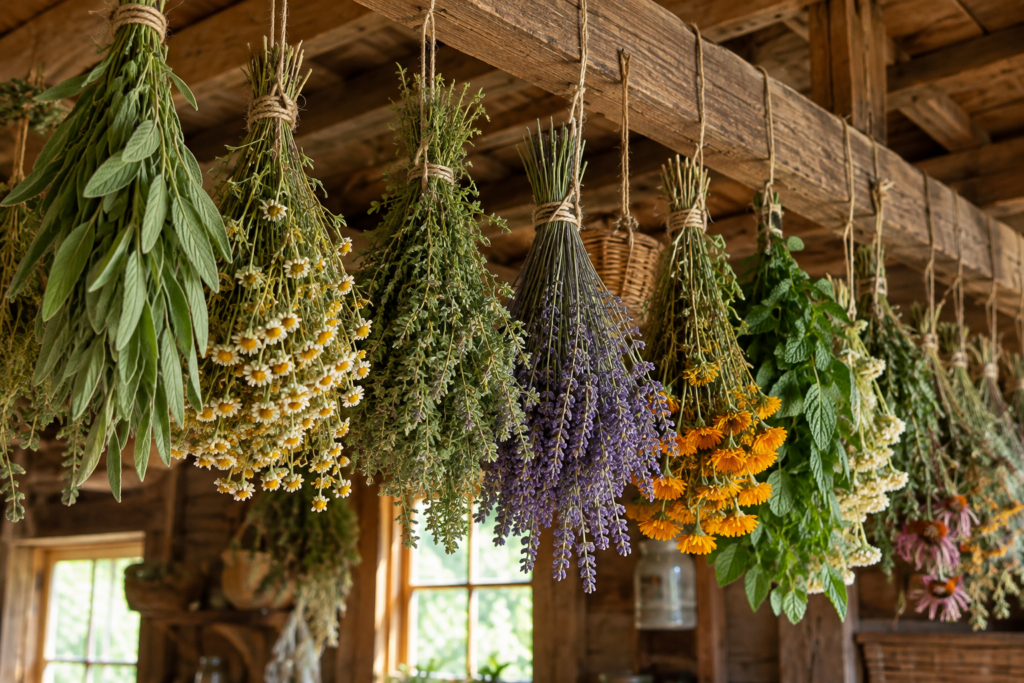
Leaves and flowers were gathered, sorted, and dried in a sheltered place with good airflow.
Once dry, they could be stored in containers for later use.
Hanging bundles
Small bundles of herbs were sometimes suspended in kitchens, sheds, or other dry locations.
Storing seeds
Families saved seeds from selected plants to establish next year’s garden.
Preparing household remedies
Historical households made teas, syrups, salves, and other preparations.
However, these traditional preparations varied in strength and purity. Many would not meet modern safety standards, and some historical ingredients were dangerous.
Today, drying herbs for cooking, fragrance, crafts, or educational displays is a safer way to preserve these traditions without experimenting with unverified medical treatments.
What Pioneer Medicine Got Right — and Wrong
It’s tempting to imagine that pioneer medicine was entirely natural and therefore safe.
The reality was more complicated.
Some traditional plants contain useful medicinal compounds. Studying plants has helped scientists discover and develop important drugs.
But other remedies were ineffective, contaminated, or poisonous.
Even professional medicine during the 1800s included dangerous practices. Physicians sometimes prescribed mercury-containing products, powerful purgatives, and other substances that could seriously harm patients.
The history of pioneer medicine is therefore a story of ingenuity and resourcefulness, but also one of limited scientific knowledge.
Modern antibiotics, vaccination, emergency medicine, sterile wound care, and evidence-based treatments have prevented enormous amounts of suffering.
Learning about historical herbs should deepen our understanding of the past—not encourage us to abandon modern healthcare.
How to Create Your Own Pioneer-Inspired Herb Garden
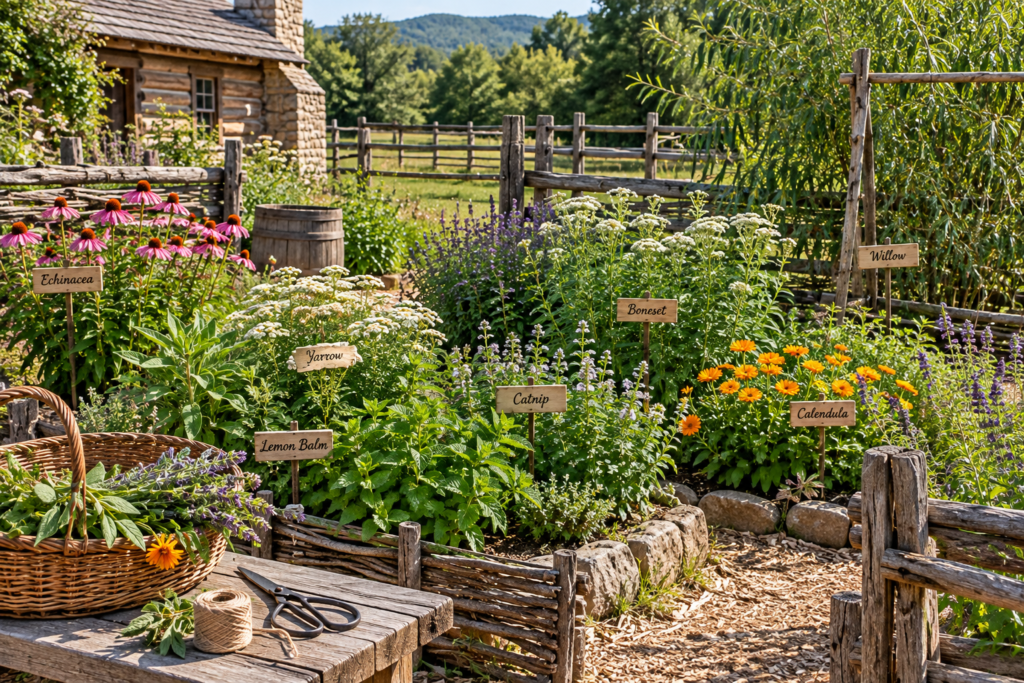
You don’t need acres of land to grow a small historical herb garden.
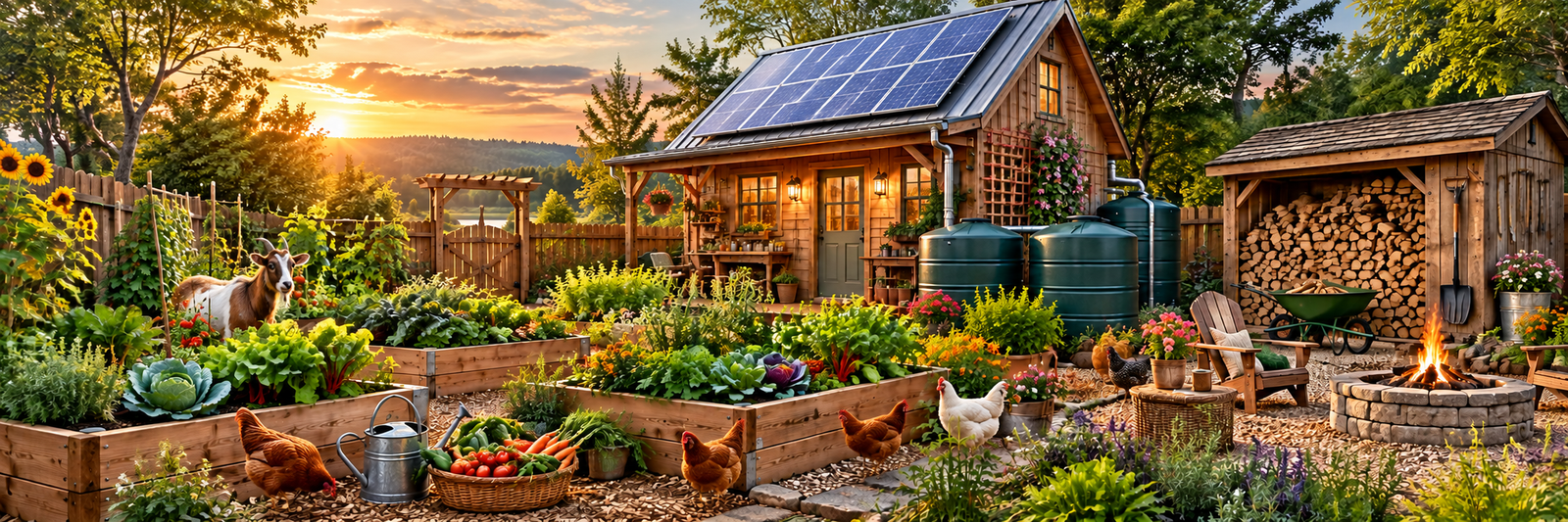
A sunny corner of your yard, a raised bed, or several large containers can provide plenty of room.
For a beginner-friendly heritage garden, consider starting with:
- Peppermint in a container
- Sage in a well-drained bed
- Chamomile from seed
- Lemon balm in a container
- Calendula for colorful flowers
- Echinacea for pollinators
Choose plants suited to your climate and verify their botanical names before purchasing.
A simple garden layout
Place taller plants toward the back of the bed and shorter plants near the front.
Keep spreading mints in separate containers.
Provide walking space for harvesting and maintenance.
Label each plant with its common and botanical names. This makes the garden especially useful as an educational project for children and visitors.
For an authentic touch, use wooden plant markers, rustic edging, and a small garden bench.
You can even add a journal describing the historical uses of each plant and what modern research has discovered.
A Lesson in Self-Sufficiency From the 1800s
One of the most valuable lessons from pioneer life is not that every old remedy worked.
It’s that families understood the importance of growing useful plants, preserving supplies, and learning practical skills.
Their gardens provided food, seasoning, seeds, and household materials. They also represented an important connection between generations.
A modern backyard herb garden can offer many of those same benefits.
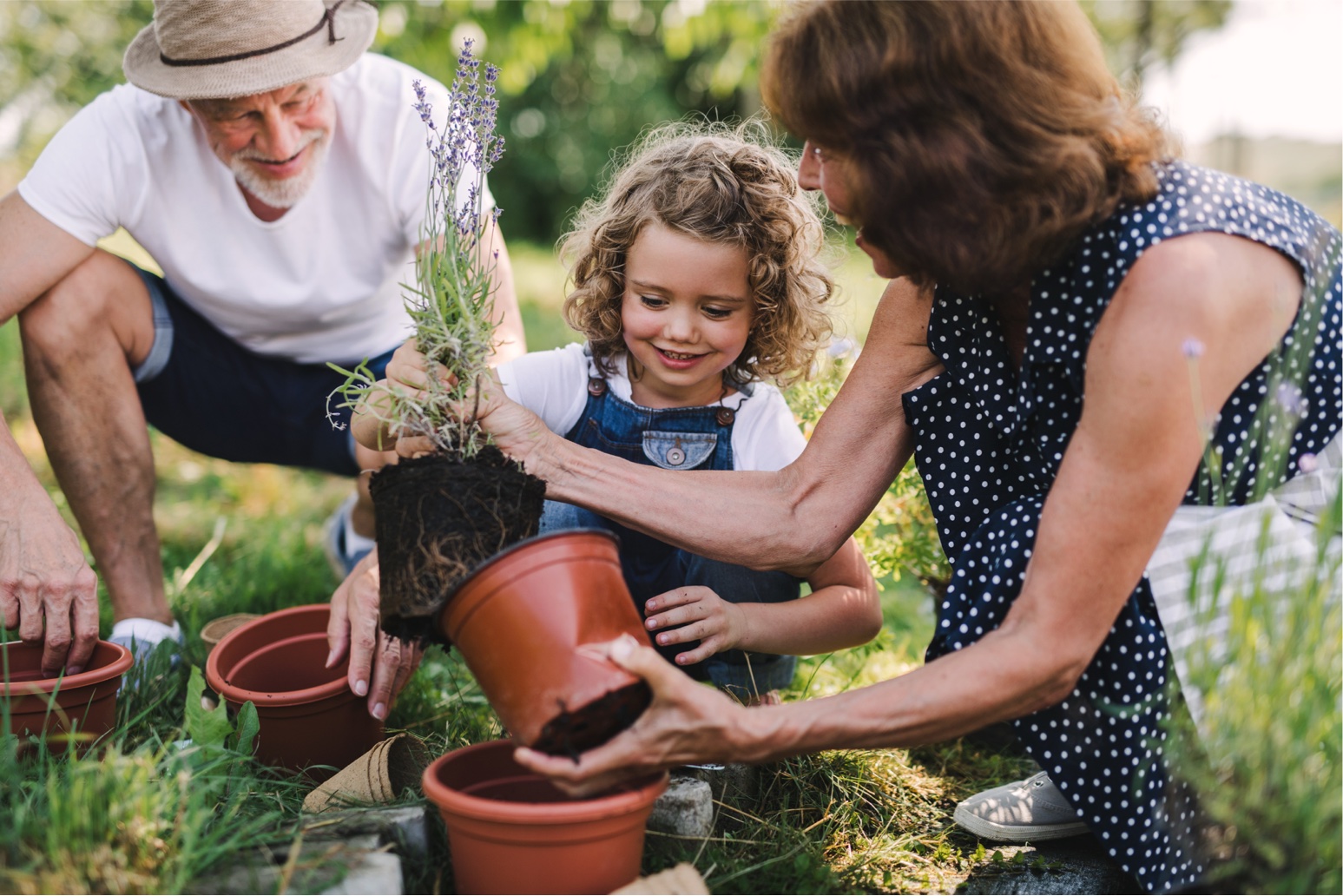
You can grow fresh culinary herbs, attract pollinators, save seeds, preserve garden harvests, and teach children where useful plants come from.
And by learning the history of medicinal plants, you can appreciate both the resourcefulness of earlier generations and the tremendous advances of modern medicine.
Final Thoughts: Growing a Living Piece of American History
A small medicinal herb garden was once part of the everyday landscape of many American households.
Peppermint, sage, chamomile, horehound, and other plants connected families to generations of practical knowledge.
Today, these plants can still have a place in our gardens—even when we grow them primarily for cooking, fragrance, pollinators, or historical interest.
You don’t need to live in a log cabin to appreciate the skills of the past.
Sometimes, preserving history begins with planting a single seed.
What herbs did your parents or grandparents grow? Do you remember any old-fashioned household remedies passed down through your family? Share your memories in the comments!
Disclaimer: This article explores historical plant uses for educational purposes. It is not medical advice. Do not use wild or cultivated plants to treat illness without qualified medical guidance. Plant identification, preparation, medication interactions, pregnancy, and individual health conditions can all affect safety.