The Timeless Magic of a Campfire
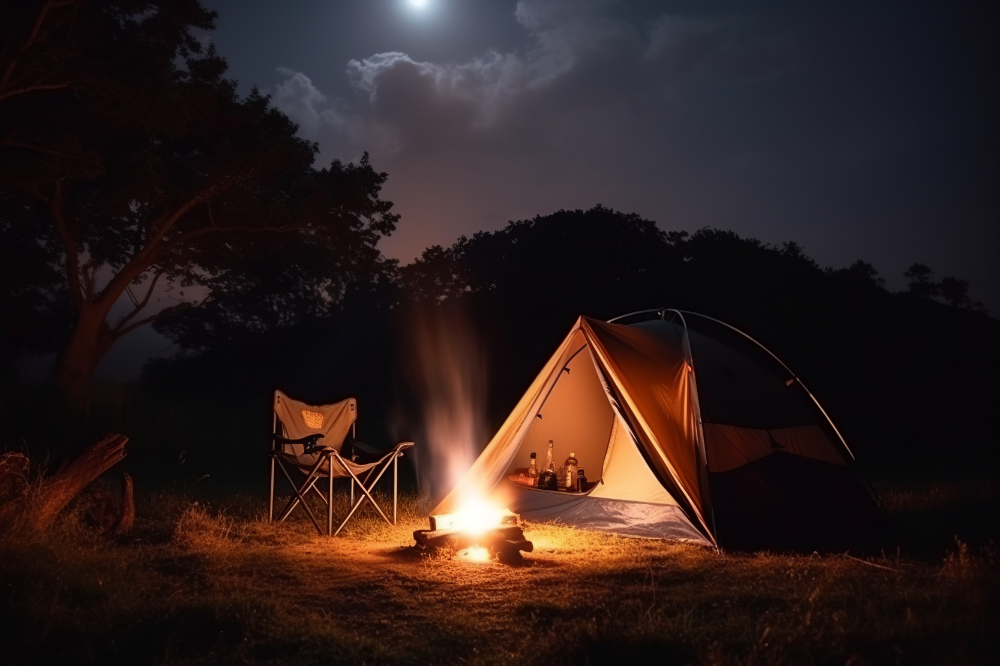
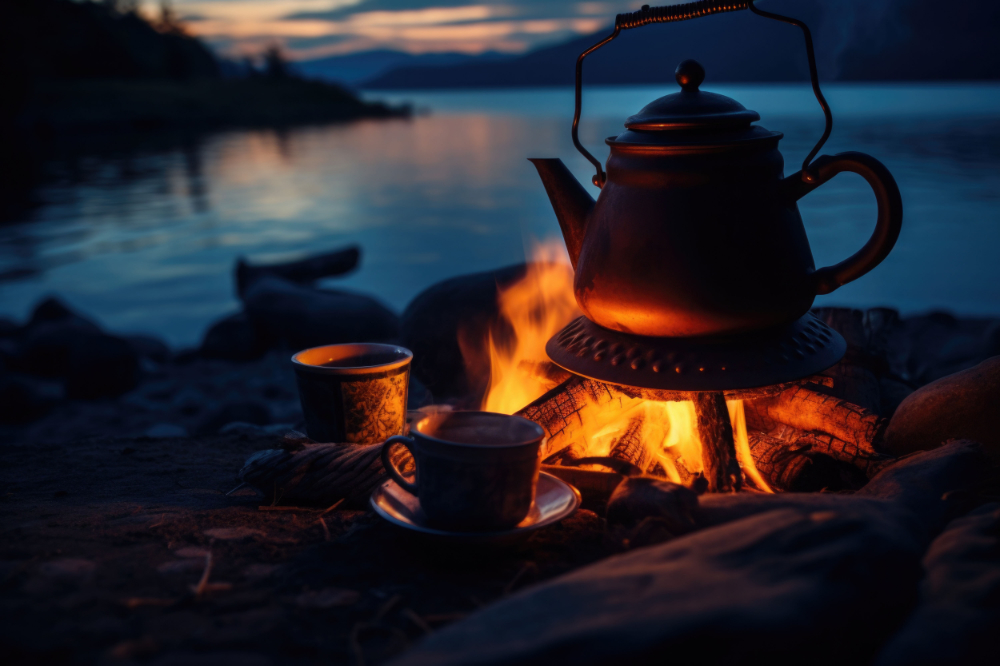
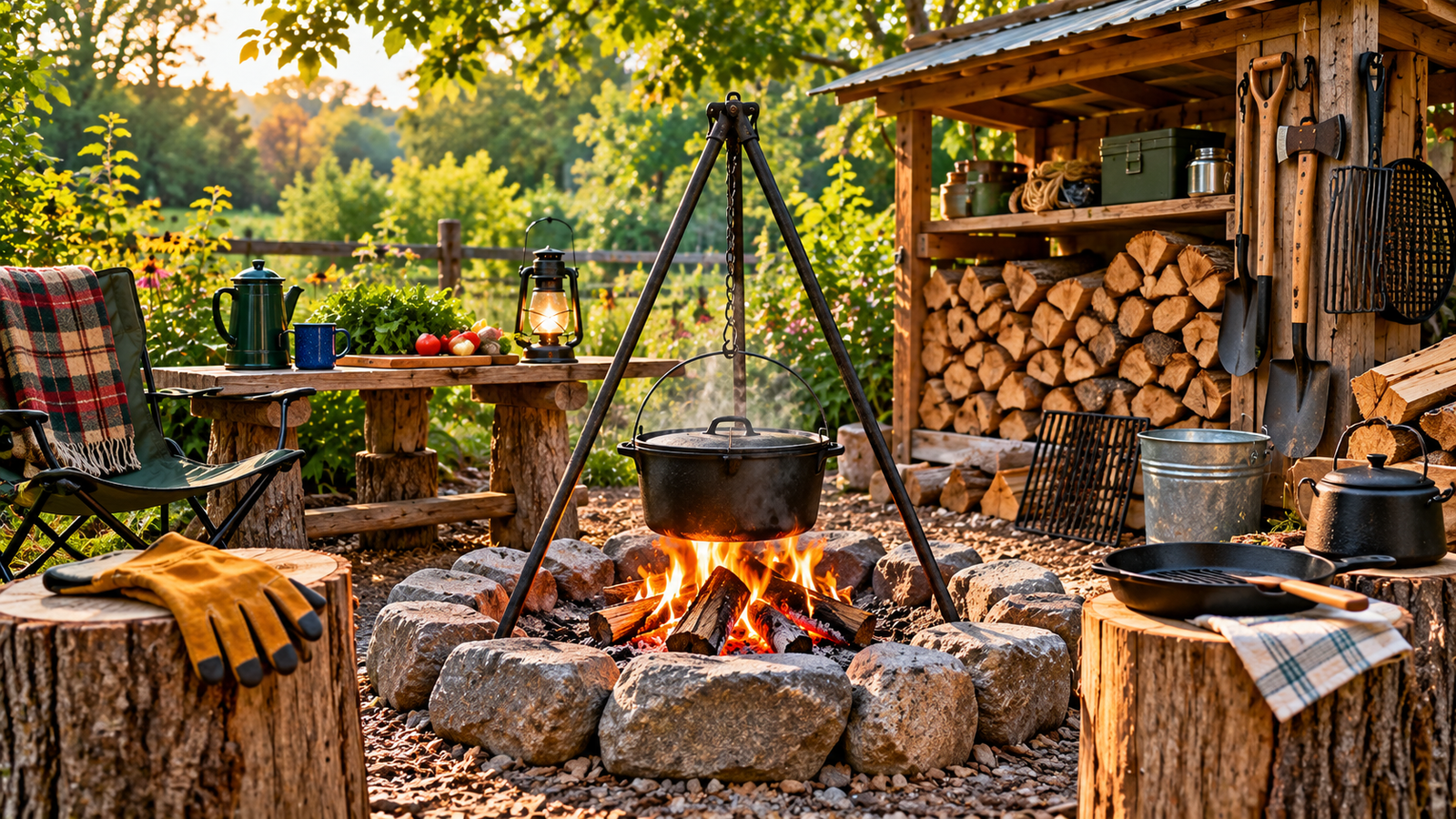
There is something almost magical about sitting beside a campfire, watching golden flames dance against the darkness of the night. For thousands of years, fire has been at the heart of human survival, providing warmth, protection, and a place for families and communities to gather. Even today, the gentle crackling of burning wood and the mesmerizing movement of glowing embers awaken a deep sense of comfort and connection to nature.
As the flames flicker and shadows dance, the worries of everyday life seem to fade away. The steady rhythm of the fire creates a peaceful, almost hypnotic atmosphere, inviting quiet reflection, meaningful conversation, and the sharing of stories. The warmth against your face, the cool evening air at your back, and the familiar scent of woodsmoke combine to create an experience that engages all the senses.
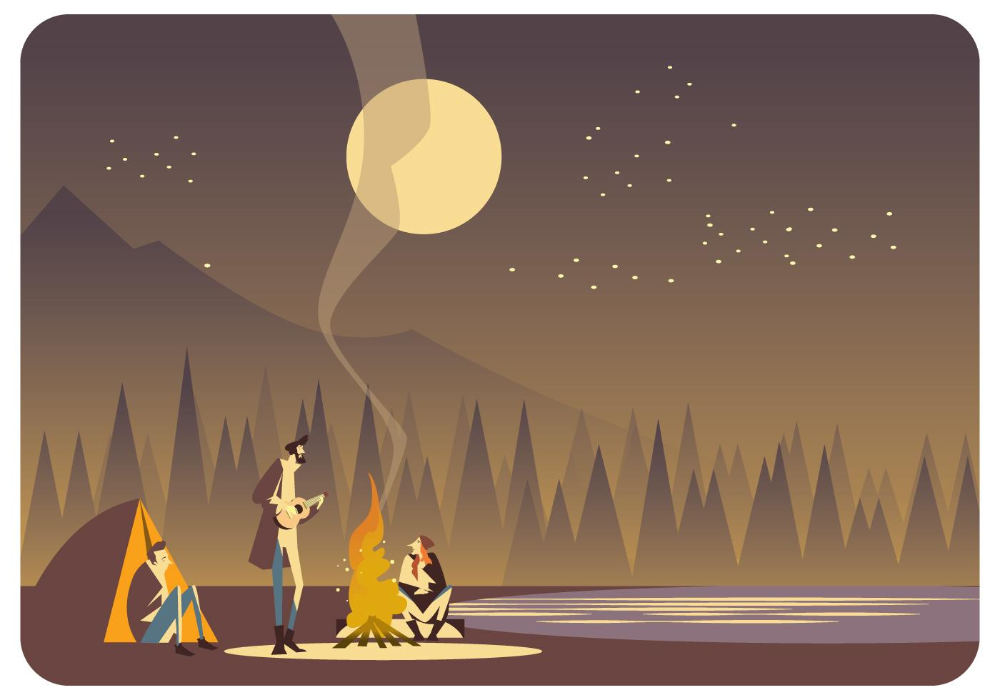
Perhaps the greatest appeal of a campfire is its simplicity. Away from television screens, cell phones, and the distractions of modern life, people naturally slow down and reconnect with one another. Whether gathered with family and friends or enjoying a quiet moment alone beneath the stars, a campfire reminds us of something our ancestors understood long ago: sometimes the greatest comforts in life come from the simplest things—warmth, companionship, and the beauty of a dancing flame.

Campfires are an essential part of the outdoor experience. Whether you’re camping, hiking, or simply enjoying a cozy evening in the wilderness, knowing how to start and maintain a campfire is a valuable skill. In this guide, we’ll walk you through the steps to create a safe and sustainable fire while incorporating essential keywords to help you master the art of campfire building.
Things to Consider for a Campfire
1. Choosing the Right Location for a Fire
Before you even think about starting a campfire, choose a suitable location. Look for a designated fire pit or ring, and ensure there are no local fire restrictions in place. This initial step is crucial for safety and environmental protection.
2. Gathering Your Supplies
To start a campfire successfully, you’ll need the right supplies:
- Tinder: This includes dry leaves, twigs, or newspaper. It’s the initial ignition source.
- Kindling: Small sticks or branches to catch fire from the tinder.
- Firewood: Larger logs that will keep your fire burning steadily.
3. Building the Fire
Now, let’s get to the heart of the matter:
- Begin by creating a small pile of tinder in the center of your fire pit.
- Add kindling in a teepee or log cabin shape around the tinder, leaving room for airflow.
- Light the tinder using matches, a firestarter, or even a magnifying glass on a sunny day.
- As the kindling ignites, gradually add larger pieces of firewood. Start small and work your way up.
4. Maintaining Your Campfire
A well-maintained campfire ensures safety and sustainability:
- Keep a Watchful Eye: Never leave your campfire unattended. Always have someone responsible for monitoring it.
- Adjust Airflow: Use a stick or fire poker to rearrange the logs and encourage airflow. This helps maintain a steady burn.
- Add Firewood as Needed: Keep the fire going by adding firewood as required. Avoid putting too much on at once, as this can smother the flames.
5. Extinguishing the Fire
When you’re done with your campfire, it’s just as important to properly extinguish it:
- Allow it to burn down to a bed of coals.
- Use water to thoroughly extinguish the fire, pouring it over the coals and stirring until everything is cold to the touch.
- Repeat the process until there is no heat remaining.
6. Leave No Trace of the Fire
Responsible campfire management includes cleaning up:
- Remove any trash or debris from the fire pit area.
- Scatter the cold ashes and coals in the surrounding area, restoring it to its natural state.
In conclusion, mastering the art of starting and maintaining a campfire is not only a valuable outdoor skill but also a responsible one. By following these steps and emphasizing safety and sustainability, you can enjoy the warmth and camaraderie of a campfire while respecting the environment.
Remember, practice makes perfect, so the more you refine your campfire-building skills, the better your outdoor adventures will become. Happy camping!