Grow your own food, preserve your harvest, collect water, raise animals, and learn practical survival skills—starting right in your own backyard.
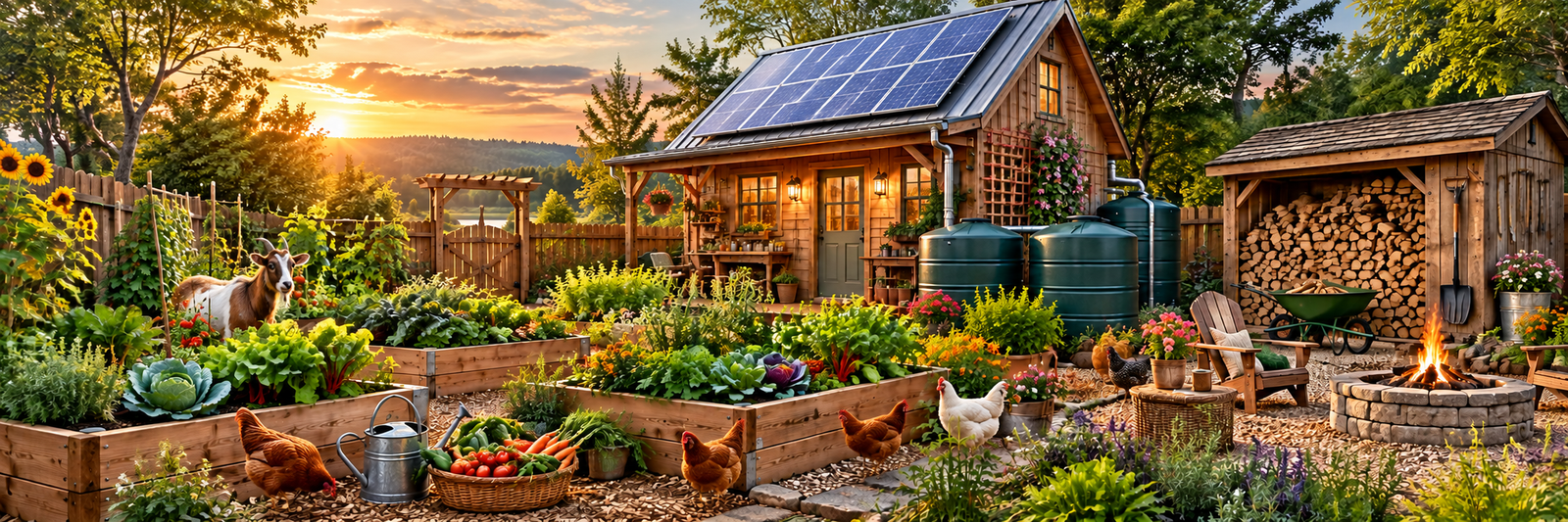
Imagine stepping outside your back door and finding fresh vegetables growing in your garden, herbs ready for cooking, a rain barrel collecting water, and perhaps a few chickens providing eggs for breakfast.
Inside your home, shelves hold preserved vegetables, dried beans, grains, and other essentials. You know how to prepare meals from basic ingredients, handle a temporary power outage, and make better use of the resources around you.
You don’t need a large farm or an expensive collection of survival equipment to begin living this way.
Backyard self-sufficiency is about learning to provide more of your own needs while becoming less dependent on outside supplies and services.
Whether you live on several acres, a suburban lot, or have only a small patio, there are practical steps you can take toward greater independence.
This guide will introduce the essential skills of backyard self-sufficiency and help you decide where to begin.
1. What Is Backyard Self-Sufficiency?
Self-sufficiency means having the knowledge, skills, and resources to meet more of your everyday needs.
For some families, that means growing vegetables and preserving their harvest. For others, it includes raising livestock, generating electricity, collecting rainwater, and preparing for emergencies.
Complete independence from modern society is neither realistic nor necessary for most people.
The goal is to become more capable, resourceful, and prepared.
Why Become More Self-Sufficient?
There are several reasons families are returning to traditional skills:
- Food security: Growing and preserving food provides an additional source of nourishment.
- Financial savings: Gardening, repairing, and making things yourself can reduce certain household expenses.
- Emergency preparedness: Stored supplies and practical skills help during storms, power outages, and disruptions.
- Healthier habits: Gardening, cooking, and outdoor work encourage physical activity and greater awareness of food.
- Less waste: Composting, repairing, reusing, and preserving make better use of available resources.
- Personal satisfaction: There is something rewarding about producing food and accomplishing useful work with your own hands.
- Insurance against Ai disruption, loss of Jobs, and Digital control of people by the banking systems and the people who control them.
The most important thing to remember is that self-sufficiency develops gradually. Every new skill makes you a little more capable.
2. Growing Your Own Food: Start With a Backyard Garden
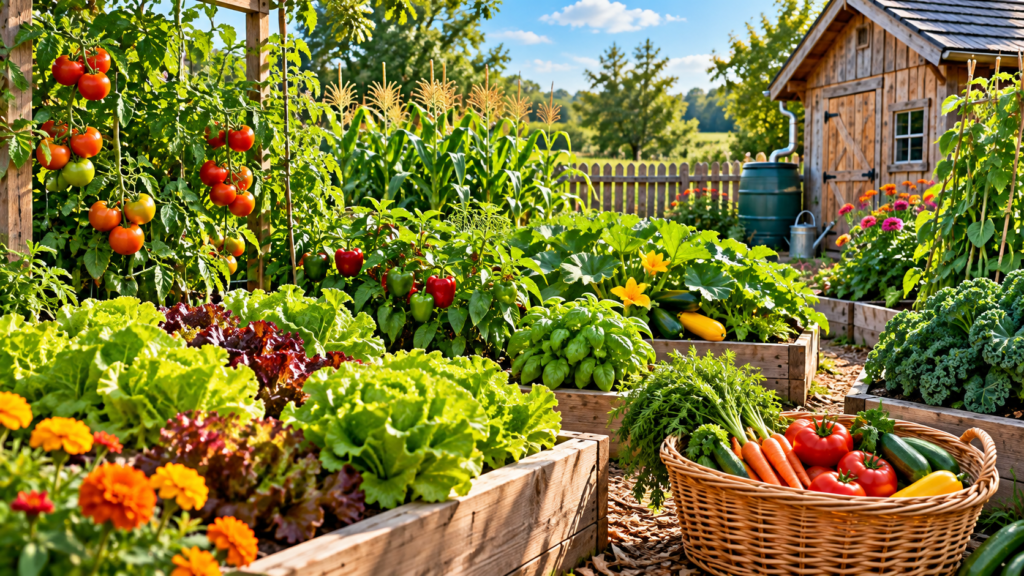
A vegetable garden is one of the easiest and most satisfying ways to begin.
You don’t need an acre of land. A few containers, a raised bed, or a sunny corner of your yard can produce useful amounts of food.
Best Vegetables for Beginning Gardeners
Some good starting choices include:
| Vegetable | Why Grow It? |
|---|---|
| Lettuce | Quick-growing and suitable for containers |
| Radishes | Often ready to harvest in about a month |
| Green beans | Productive and relatively easy to grow |
| Tomatoes | Popular, versatile, and useful for preserving |
| Peppers | Productive in suitable warm conditions |
| Sweet potatoes | Useful food crop for warm climates, stores well |
| Kale | Nutritious and suitable for cool-season growing |
| Zucchini | Can produce generously with adequate space |
Choose crops suited to your climate and season. A garden in Florida, for example, follows a different planting calendar from one in Pennsylvania.
Start Small and Expand
Begin with one or two raised beds or several large containers.
Learn how much sunlight your vegetables need, how frequently to water, and how to recognize common pests.
Healthy soil is especially important. Adding finished compost can improve soil structure, drainage, and fertility.
Once you understand the basics, expand into larger gardens, fruit trees, berry bushes, and perennial vegetables.
Grow Foods Your Family Actually Eats
A productive garden should reflect your household’s needs.
If your family eats tomatoes regularly, growing several tomato plants may be more useful than planting unfamiliar vegetables that nobody enjoys.
Think of your garden as a way to supplement your grocery shopping and gradually increase your food independence.
3. Raising Backyard Animals for Food
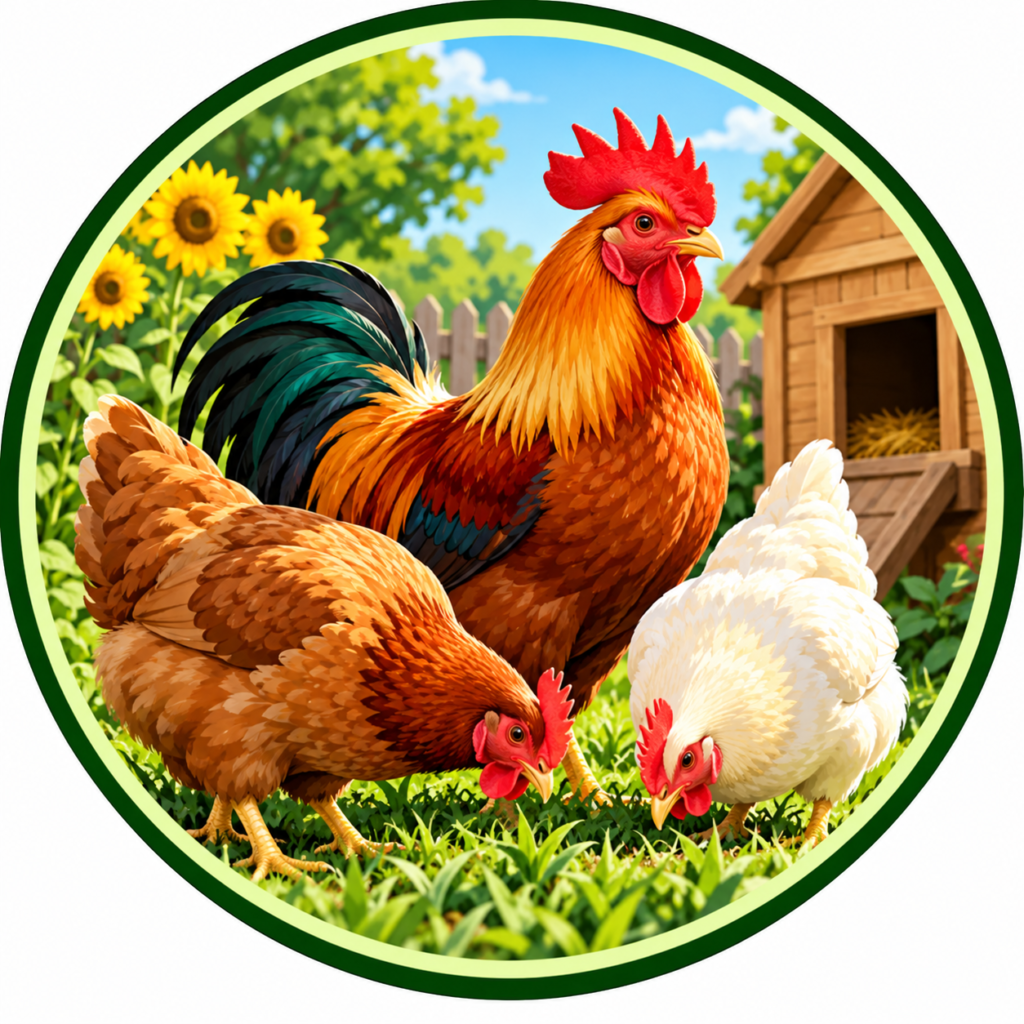
For people who have enough space and suitable local regulations, raising animals can be another important part of backyard self-sufficiency.
Different animals provide different benefits.
Chickens: A Popular First Choice
Backyard chickens are especially useful for families interested in producing eggs.
Depending on breed, age, season, and care, healthy hens can provide a regular supply.
Chickens also produce manure for composting and can help manage some insects.
However, they require balanced feed, clean water, secure housing, and protection from predators.
Rabbits: Meat Production in a Small Space
Rabbits are quiet and can be raised in relatively compact housing.
Meat breeds such as New Zealand and Californian rabbits grow quickly and can produce multiple litters annually when managed responsibly.
Rabbit meat is lean and high in protein.
However, rabbits are especially vulnerable to heat stress, making adequate shade, ventilation, and cooling essential in warm climates.
Geese: Grazing Animals for Larger Properties
Geese are excellent grazers and can obtain substantial nutrition from suitable pasture.
They produce larger carcasses than rabbits, and some breeds also provide seasonal eggs.
Geese require more outdoor space, can be noisy, and need protection from predators.
Which Animal Should You Raise?
Consider your available land, feed costs, climate, neighbors, and daily schedule before purchasing animals.
Start with a manageable number rather than attempting to raise several species at once.
Livestock require care every day, even during vacations, bad weather, and emergencies.
Remember: Raising animals for food is a responsibility, not simply a source of inexpensive meat. Who will tend to your animals while you take a vacation?
4. Preserving Food: Making Your Harvest Last
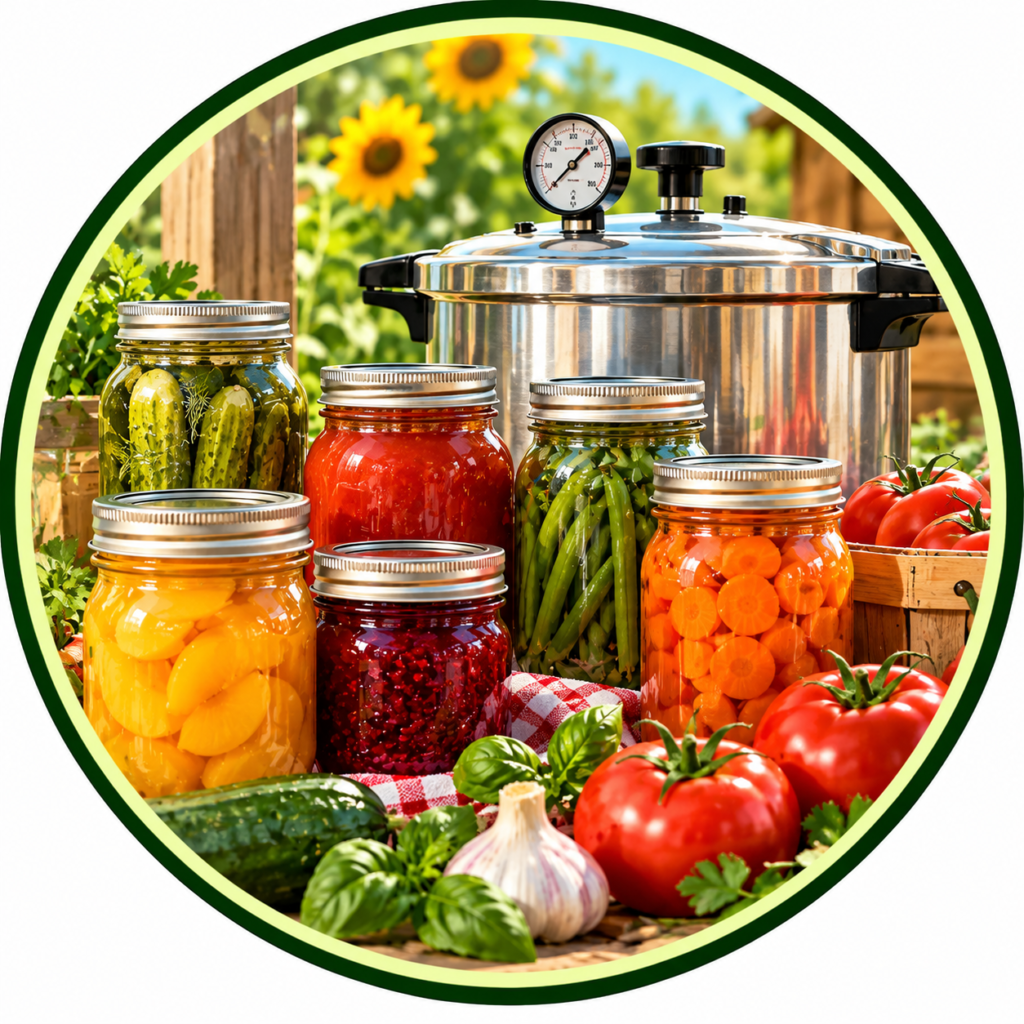
Growing food is only part of self-sufficiency. Learning to preserve it allows you to enjoy the harvest long after the growing season ends.
Our grandparents and great-grandparents often relied on food preservation to supply their households throughout the year.
These skills remain valuable today.
Canning
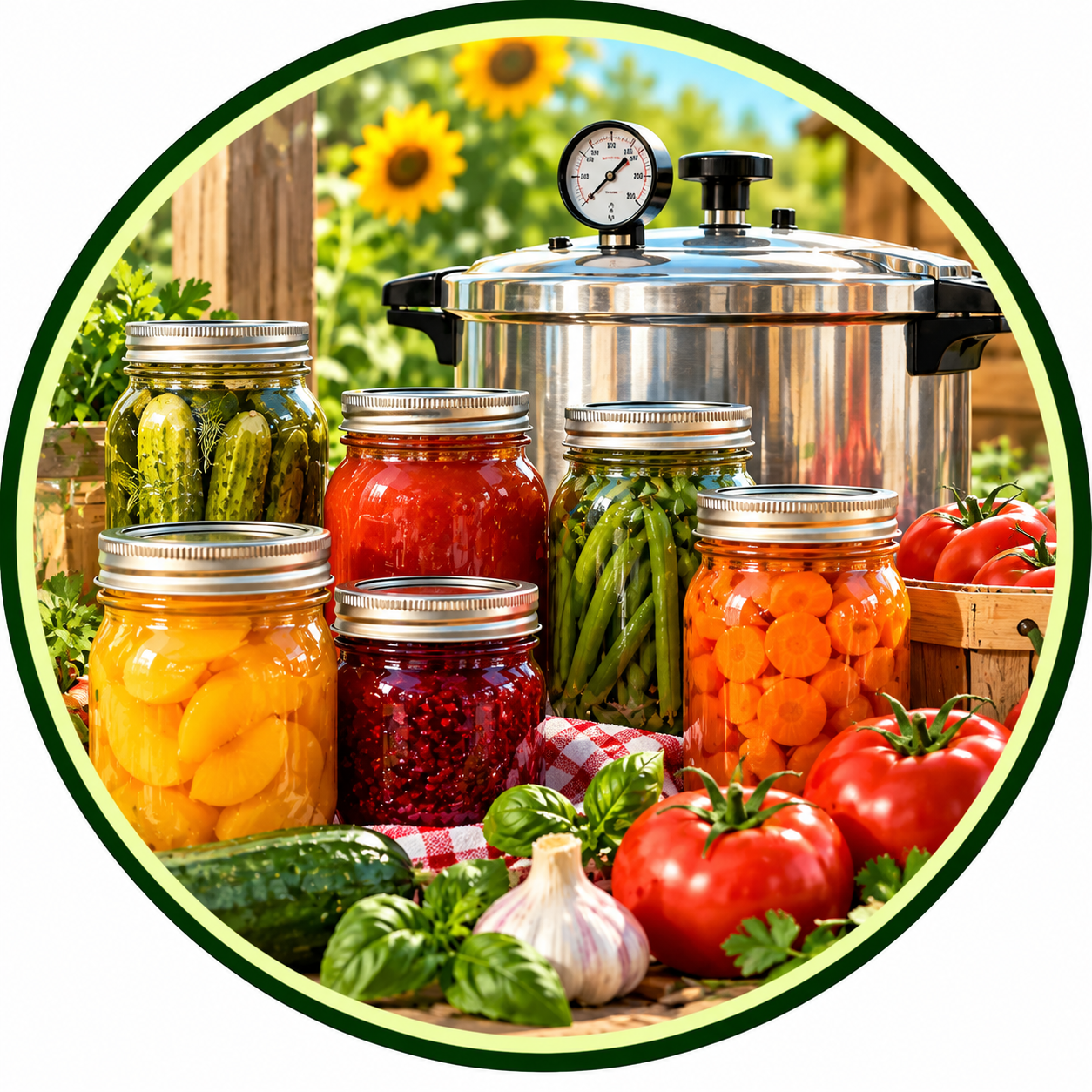
Home canning allows certain foods to be safely stored without refrigeration when scientifically tested methods are followed.
There are two primary methods:
Boiling-water canning is used for appropriately acidic foods and tested acidified recipes.
Pressure canning is required for low-acid foods such as plain vegetables, meats, poultry, and beans.
Always follow current, tested recipes from the USDA or the National Center for Home Food Preservation. Do not improvise processing times, pressures, or ingredient proportions.
Read our related article: Preserving the Harvest: The Enduring Importance of Canning.
Dehydrating
Drying removes moisture from food, slowing the growth of microorganisms.
Foods suitable for drying include many fruits, herbs, and vegetables.
Properly dried foods should be packaged to protect them from moisture and stored under suitable conditions.
Freezing
Freezing is one of the simplest preservation methods.
Vegetables, fruit, prepared meals, and meat can be frozen for later use.
However, frozen food depends on a reliable electricity supply, so consider how you would protect it during a prolonged outage.
Building a Working Pantry
A practical pantry might include rice, beans, lentils, pasta, oats, flour, canned vegetables, canned fish, cooking oil, and seasonings.
Purchase foods your family already uses, rotate them regularly, and store them according to package guidance.
You don’t need to purchase a year’s supply immediately.
Start by keeping a little extra of the foods you use most frequently.
5. Milling Grain and Baking Your Own Bread
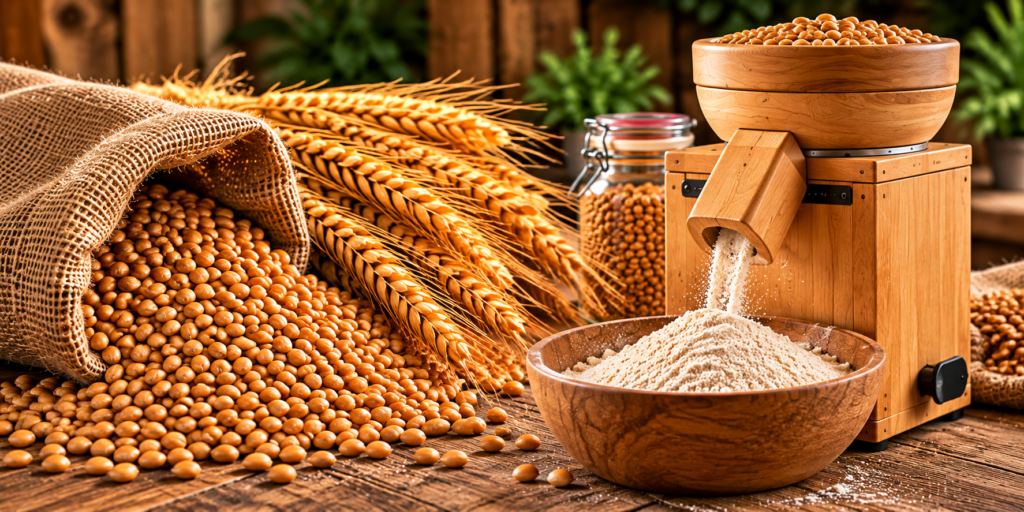
Bread has been a household staple for thousands of years.
Learning to bake it from basic ingredients is a valuable skill for anyone interested in greater food independence.
A simple loaf requires only flour, water, yeast, and salt.
Once you master the basics, you can experiment with whole wheat, sourdough, rolls, and other baked goods.
Why Store Whole Grains?
Properly stored intact wheat berries generally keep longer than freshly milled whole-grain flour because the grain’s protective outer structure remains intact. Actually whole grains can keep for centuries. They found grains in the pyramids.
A home grain mill allows you to grind wheat when you need it.
Freshly milled whole-grain flour retains the bran and germ, which contain fiber and various nutrients.
However, whole-grain bread requires some practice because the flour behaves differently from refined white flour.
Start With Basic Bread-Making Skills
Learn how to mix and knead dough, recognize when it has risen sufficiently, and bake it thoroughly.
You can also learn to make flatbreads, which may be easier to prepare with limited equipment.
For households with dietary restrictions, choose appropriate grains and recipes. Wheat is not safe for people with celiac disease.
Being able to turn stored ingredients into satisfying meals is one of the most useful forms of preparedness.
6. Collecting, Storing, and Purifying Water
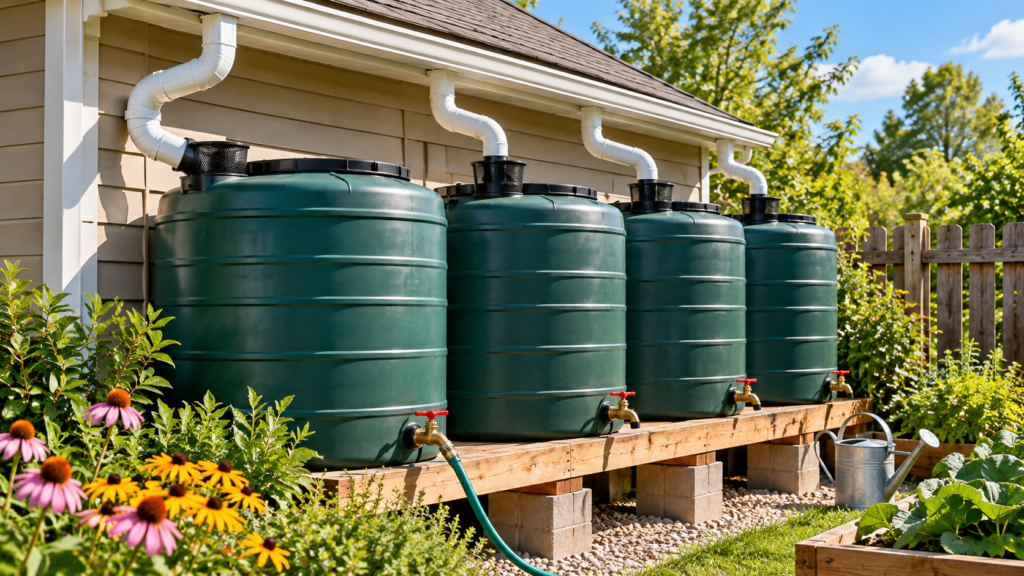
Water is essential for drinking, cooking, cleaning, gardening, and caring for animals.
A reliable water plan is one of the most important parts of household preparedness.
Collecting Rainwater
Rain barrels can capture water flowing from roof gutters.
Collected rainwater may be useful for certain garden and outdoor applications, subject to local regulations and water-quality considerations.
Install secure covers, mosquito-resistant screening, and appropriate overflow drainage.
Roof-collected rainwater should not automatically be considered safe to drink.
Emergency Drinking Water
A useful starting goal is to store at least one gallon of water per person per day for several days, with additional water for hot weather, medical needs, and pets.
Use containers designed for drinking water and store them in a clean, protected location.
Purifying Water
Common water-treatment methods include boiling, filtration, and chemical disinfection.
These methods have different limitations.
For example, boiling can kill many disease-causing organisms but does not remove chemical contaminants.
Some filters remove protozoa and bacteria but may not reliably remove viruses.
Learn which treatment method is appropriate for the water source and potential contaminants.
Read more: Quenching Your Thirst: The Art of Water Procurement and Purification.
7. Producing and Conserving Your Own Electricity
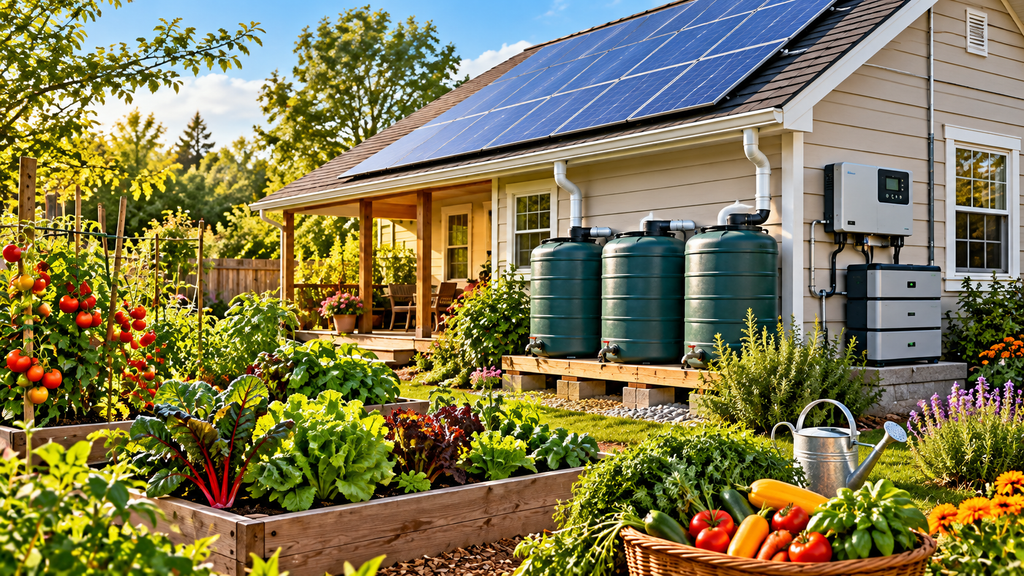
Electricity powers refrigeration, lighting, communications, water pumps, and many other essentials.
Even a temporary outage can interrupt normal household routines.
Solar Power for the Home
Solar panels convert sunlight into electricity.
A properly designed system may reduce the amount of electricity purchased from the utility company.
However, not all solar installations provide power during an outage.
Most standard grid-tied systems shut down when utility power fails unless they include equipment specifically designed for backup operation.
Battery Backup Systems
A battery backup system can supply selected electrical loads when properly configured.
For beginners, smaller portable power stations may provide temporary power for phones, lights, and certain low-wattage devices.
Larger systems require careful planning and professional installation.
Reduce Your Energy Needs First
Before purchasing solar equipment, consider reducing unnecessary electricity consumption.
LED lighting, efficient appliances, improved insulation, and sensible cooling practices can lower energy demand.
A home that uses less electricity is easier and often less expensive to support with backup power.
8. Preparing for Emergencies Without Panic
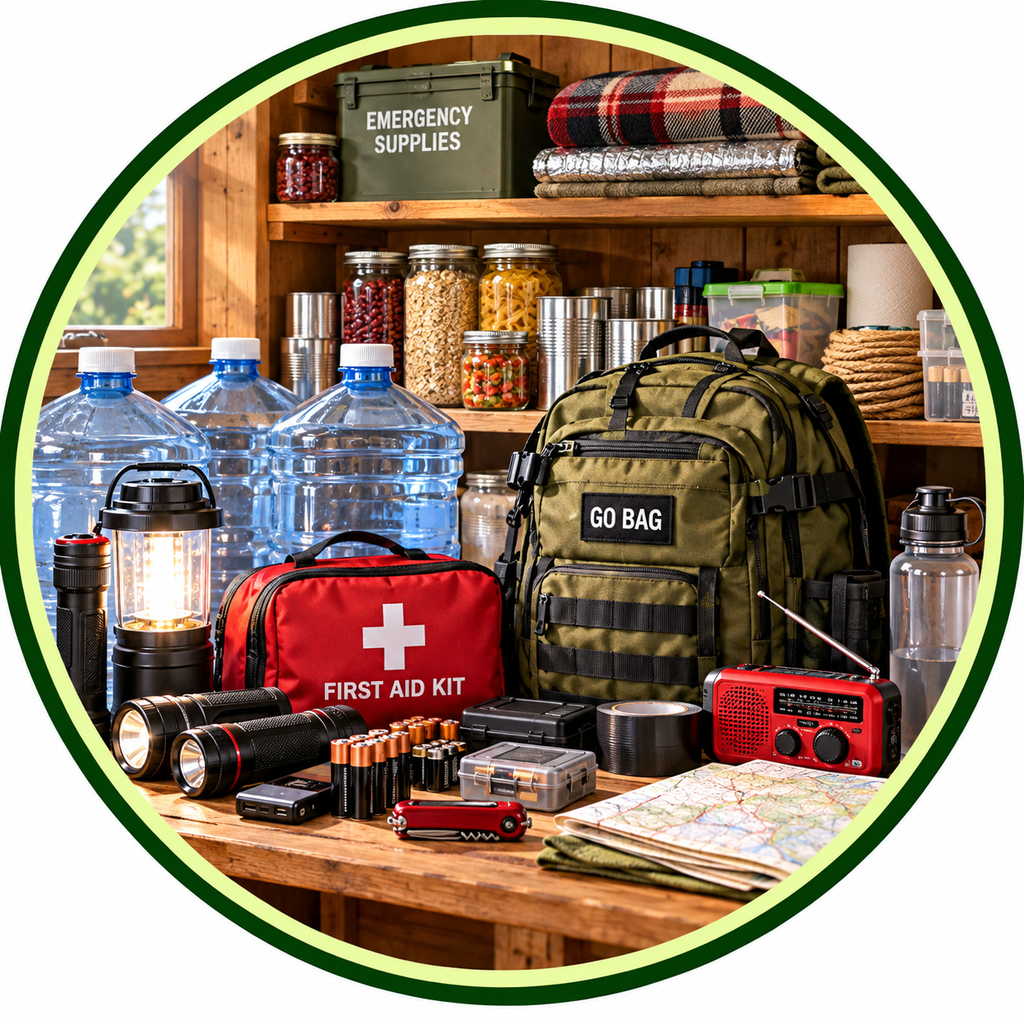
Emergency preparedness doesn’t have to involve fear or expensive equipment.
It means thinking ahead about situations that could temporarily disrupt your daily life.
These might include hurricanes, winter storms, flooding, extended power outages, or supply shortages.
Begin With the Essentials
A basic household preparedness plan should address:
- Drinking water and nonperishable food
- Flashlights and backup lighting
- First-aid supplies and necessary medications
- A battery-powered or hand-crank radio
- Phone charging and communication
- Important documents
- Pet and livestock care
- Evacuation routes and family meeting arrangements
Consider the particular hazards in your region.
A household in a hurricane-prone area will have different priorities from one facing heavy snow and prolonged freezing temperatures.
Practice Your Plan
Check supplies regularly, keep emergency contact information current, and make sure household members know what to do.
A plan that has been practiced is generally more useful than supplies that have never been inspected.
For another perspective on preparedness, read Preppers vs. Survivalists: Preparing for Uncertain Times.
9. Learning Practical Survival Skills
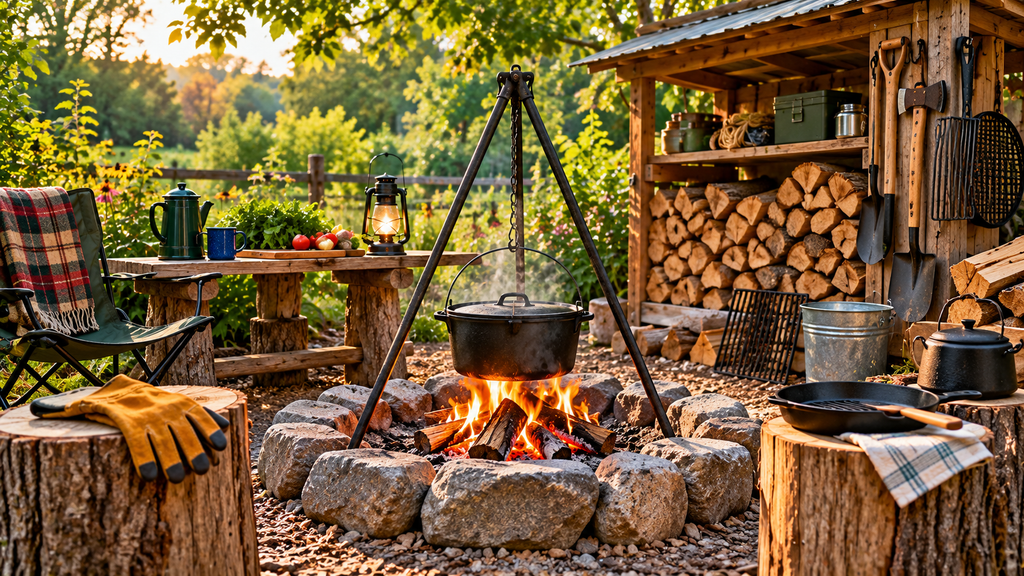
Self-sufficiency is not only about owning equipment.
Skills are often more valuable than possessions because they can be used repeatedly and adapted to different circumstances.
Fire-Making and Outdoor Cooking
Knowing how to build and maintain a safe fire can be useful for outdoor cooking and certain emergency situations.
Practice only where fires are permitted and conditions are safe.
Never use charcoal grills, camp stoves, or fuel-burning generators inside a home, garage, or enclosed area because of the risk of carbon monoxide poisoning.
Explore our guide: Igniting the Flame: Mastering Fire-Making Techniques.
Building Temporary Shelter
Learning how to use tarps, ropes, and simple materials to construct temporary shelter can be useful during outdoor activities.
Understanding wind, rain, insulation, and ground conditions is more important than building an elaborate structure.
Read Gimme Shelter: Shelter Construction With Natural Materials and Tarps.
Other Valuable Skills
Basic first aid, sewing, repairing tools, cooking from scratch, sharpening blades, and maintaining household equipment can all contribute to greater independence.
Choose one skill at a time and practice until you feel comfortable using it.
10. Composting and Reducing Household Waste
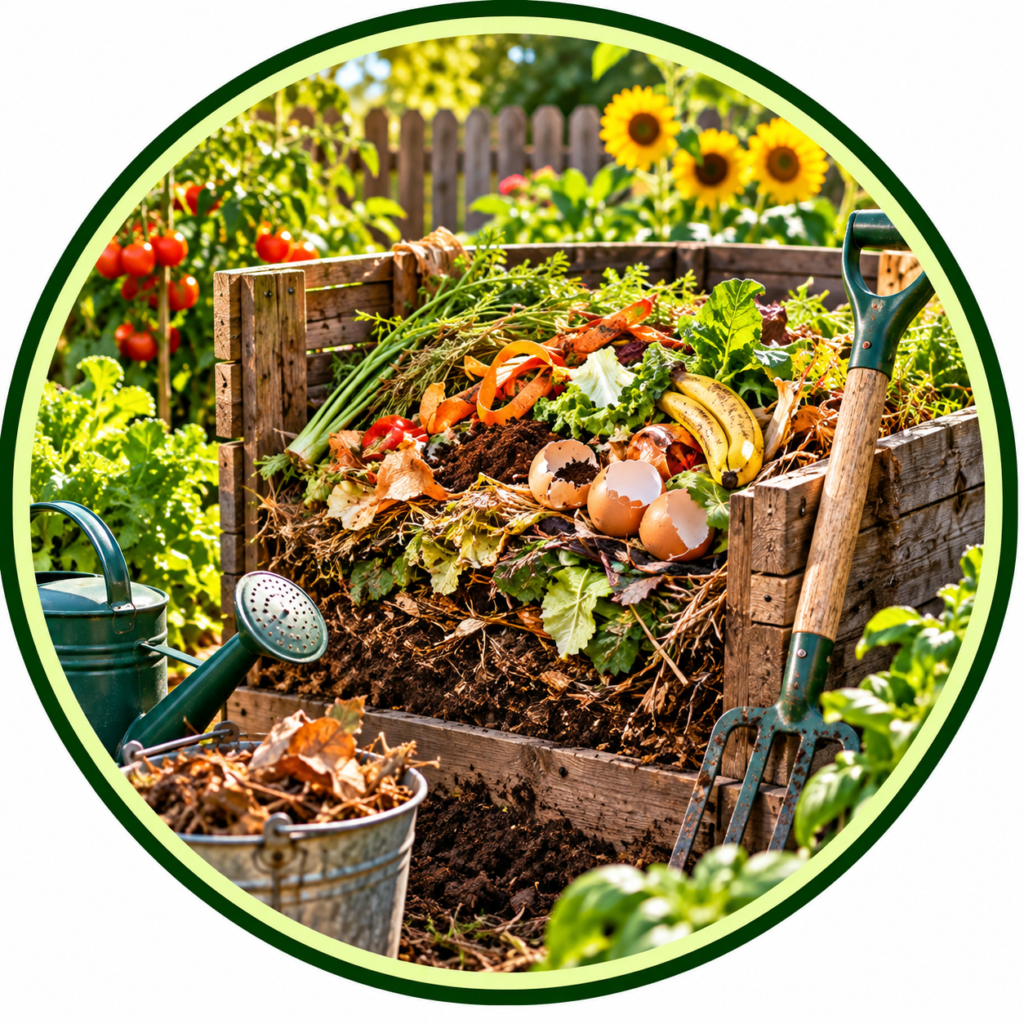
Composting is a practical way to recycle many kitchen and garden materials into a useful soil amendment.
A typical compost pile combines nitrogen-rich materials, such as vegetable scraps and fresh plant trimmings, with carbon-rich materials, such as dry leaves and shredded paper.
Moisture and oxygen help microorganisms break these materials down.
Finished compost can improve garden soil and reduce the need to purchase certain soil amendments.
Avoid placing meat, grease, pet waste, or diseased plant material into a basic home compost pile unless you are using a method specifically designed to handle them safely.
Other useful waste-reduction habits include repairing broken items, reusing containers when appropriate, saving suitable seeds, and planning meals to reduce food spoilage.
The less you waste, the more value you receive from the resources you already have.
11. Creating a Backyard Self-Sufficiency Plan
You don’t need to tackle every project at once.
In fact, trying to do too much too quickly can become expensive and discouraging.
A better approach is to make a simple plan and build your skills over time.
Your First 30 Days
Week 1: Assess your household. Identify your available growing space, water supply, storage areas, and most likely emergency needs.
Week 2: Start growing something. Plant herbs, lettuce, or another crop suited to your climate and season.
Week 3: Organize your pantry. Inventory your food and water supplies. Begin adding a modest amount of extra shelf-stable food.
Week 4: Learn a practical skill. Bake bread, start composting, practice basic first aid, or learn a safe food-preservation method.
Your First Six Months
As you gain experience, consider adding a larger garden, a compost system, rainwater collection for appropriate uses, more pantry storage, or a modest emergency power source.
Research local regulations before adding livestock or installing major equipment.
Your First Year
By the end of your first year, aim to have a productive gardening routine, some dependable stored supplies, a workable emergency plan, and several new practical skills.
Your progress may be modest, but it will be meaningful.
12. Can You Become Self-Sufficient on a Small Property?
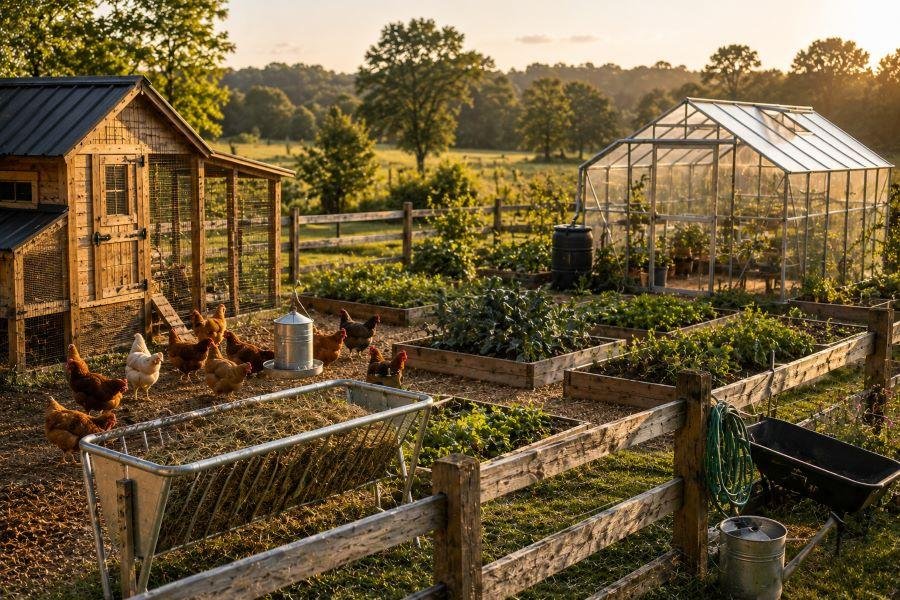
Absolutely—you can become more self-sufficient even when you have limited land.
A suburban backyard might accommodate raised beds, containers, fruit trees, composting, and rain barrels.
A small patio can support herbs, leafy greens, and other container crops.
Even apartment dwellers can learn food preservation, bread baking, pantry management, sewing, and emergency preparedness.
The size of your property does not determine how resourceful you can become.
What matters is choosing projects that fit your circumstances and maintaining them consistently.
13. Common Beginner Mistakes to Avoid
Many new homesteaders become enthusiastic and attempt too many projects at once.
Here are some mistakes worth avoiding:
Starting too big. A small, well-maintained garden is better than a large garden you cannot manage.
Buying equipment before learning the skill. Research your needs and practice with basic tools before making expensive purchases.
Underestimating animal care. Livestock need dependable daily attention, veterinary planning, and appropriate housing.
Using unsafe food-preservation shortcuts. Follow tested recipes and approved processing methods.
Ignoring local conditions. Soil, climate, rainfall, zoning, and seasonal weather should influence your plans.
Expecting immediate savings. Gardens, livestock, and solar systems often require upfront investment and ongoing expenses.
Trying to do everything alone. Neighbors, gardening groups, agricultural extension services, and experienced homesteaders can provide valuable knowledge.
14. The Most Important Resource Is Knowledge
You can own a greenhouse, solar panels, rain barrels, and a freezer full of food and still struggle if you don’t know how to use and maintain them.
On the other hand, someone who understands gardening, cooking, preserving, repairing, and adapting to changing conditions has skills that remain useful in many situations.
Self-sufficiency is not about preparing for every imaginable disaster.
It is about becoming more capable in everyday life.
Each new skill builds confidence and gives your family additional options when circumstances change.
Final Thoughts: Your Backyard Is a Place to Begin
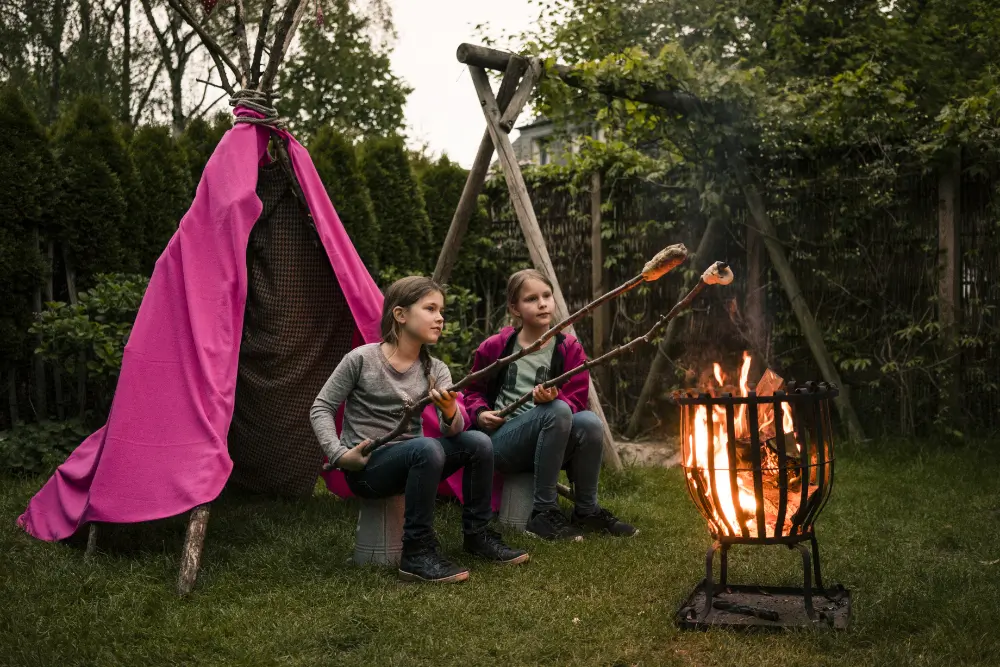
Becoming more self-sufficient doesn’t happen overnight.
It begins with small decisions: planting your first tomato, learning to bake bread, storing extra drinking water, or preserving food from your garden.
Over time, these activities become familiar routines.
You begin to understand the seasons, make better use of your resources, and depend a little less on outside systems for every necessity.
You may never produce all your own food or generate every watt of electricity your household uses.
That’s perfectly reasonable.
The goal is not complete isolation. The goal is greater independence, preparedness, and confidence in your ability to care for yourself and your family.
And the best place to begin may be right outside your back door.
Explore Survive in Your Backyard for more articles on gardening, food preservation, water, survival skills, and practical ways to become more self-reliant.